2026 | Professional

Violet Hour
Entrant
Si Fang Cun Design
Category
Architectural Design - Renovation
Client's Name
Pembury Cafe (Hangzhou) Catering Management Co., Ltd.
Country / Region
China
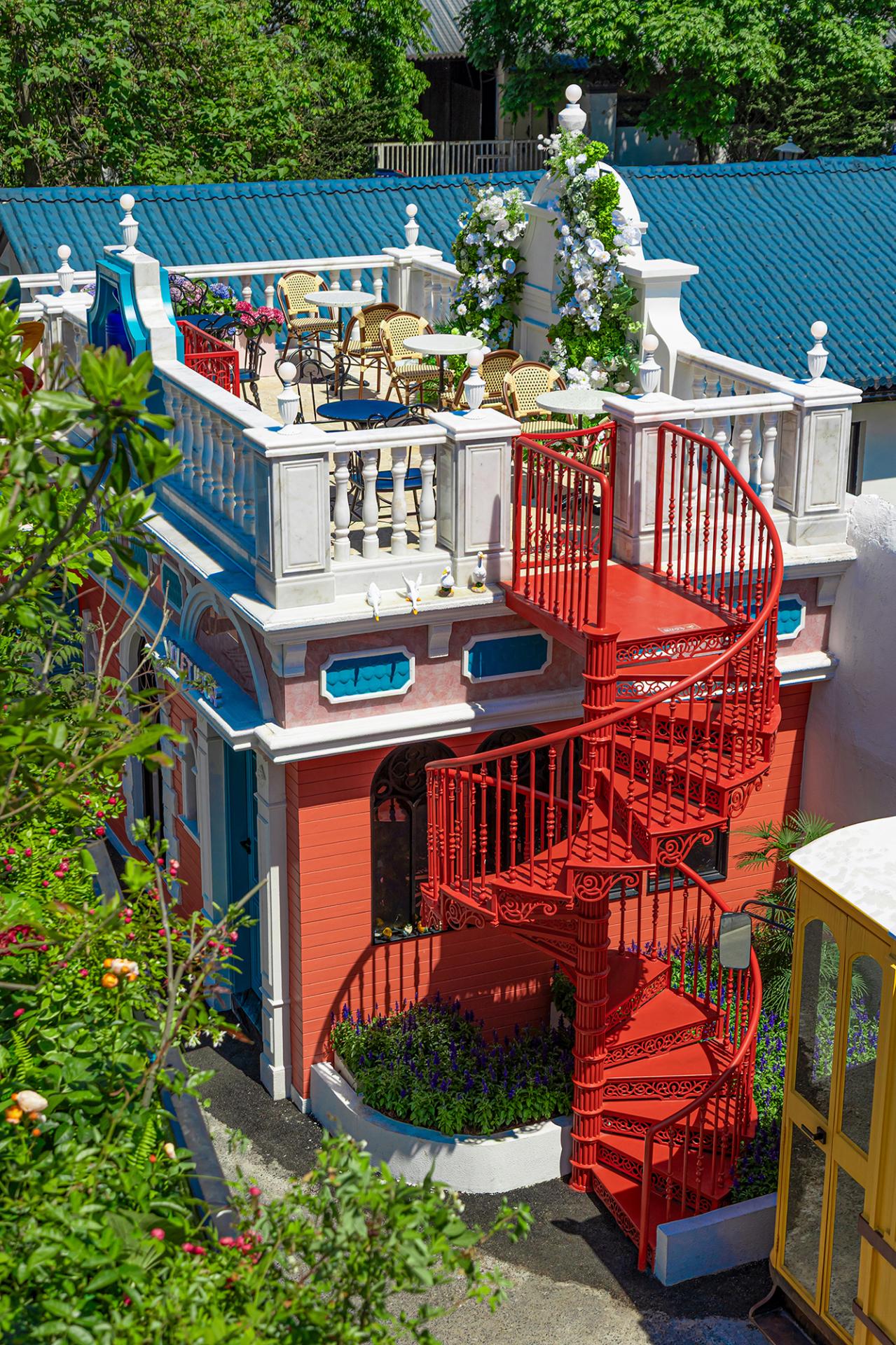
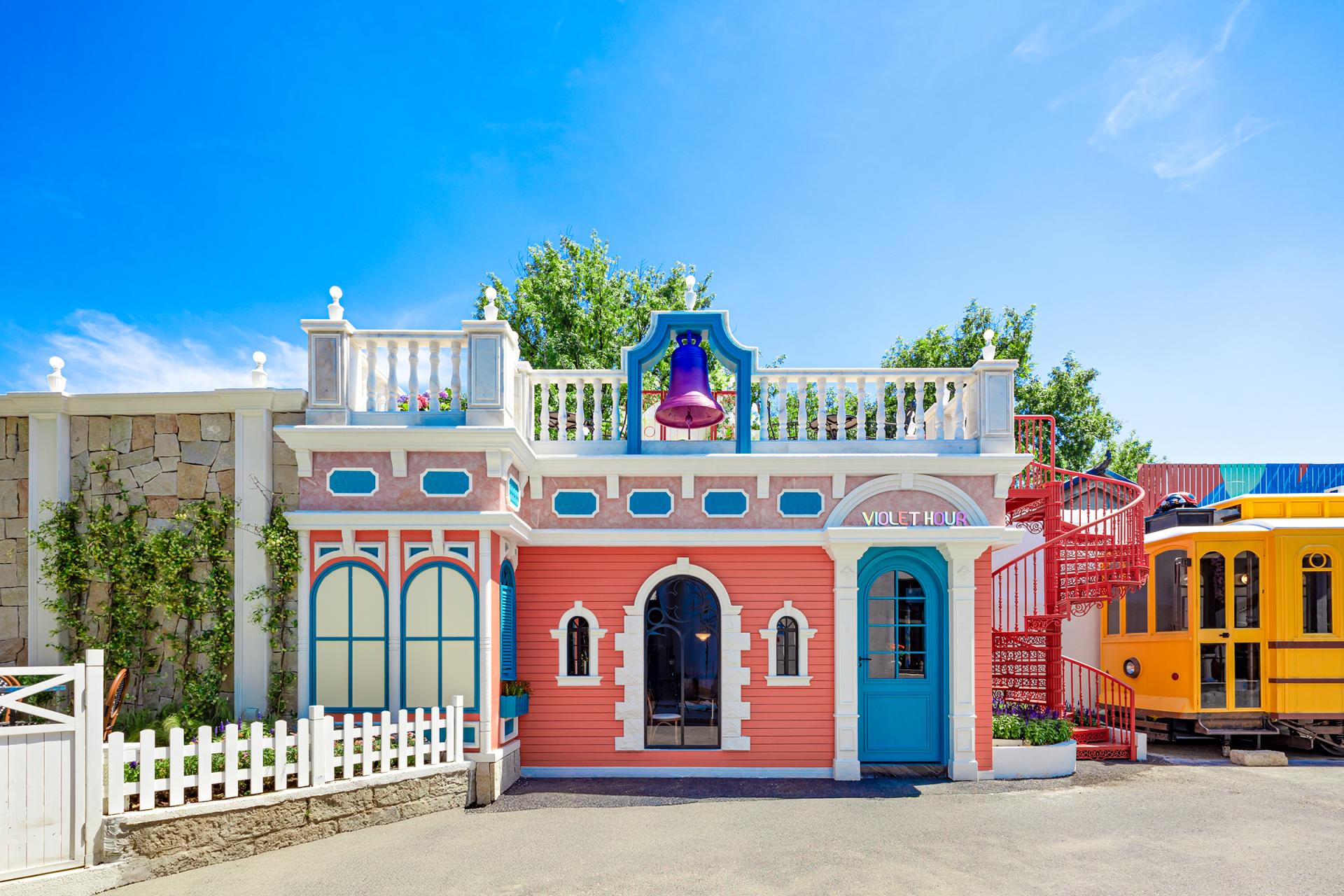
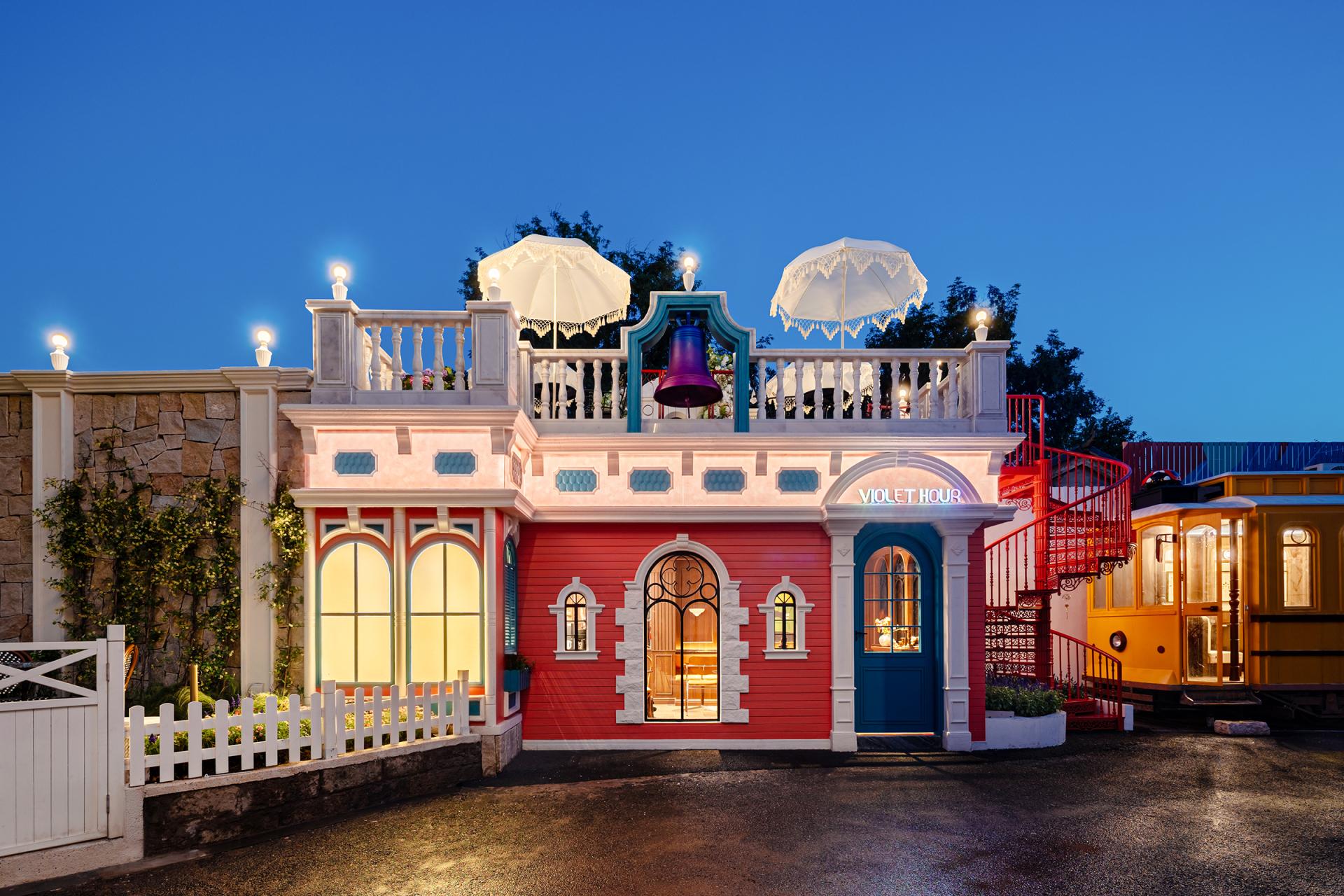
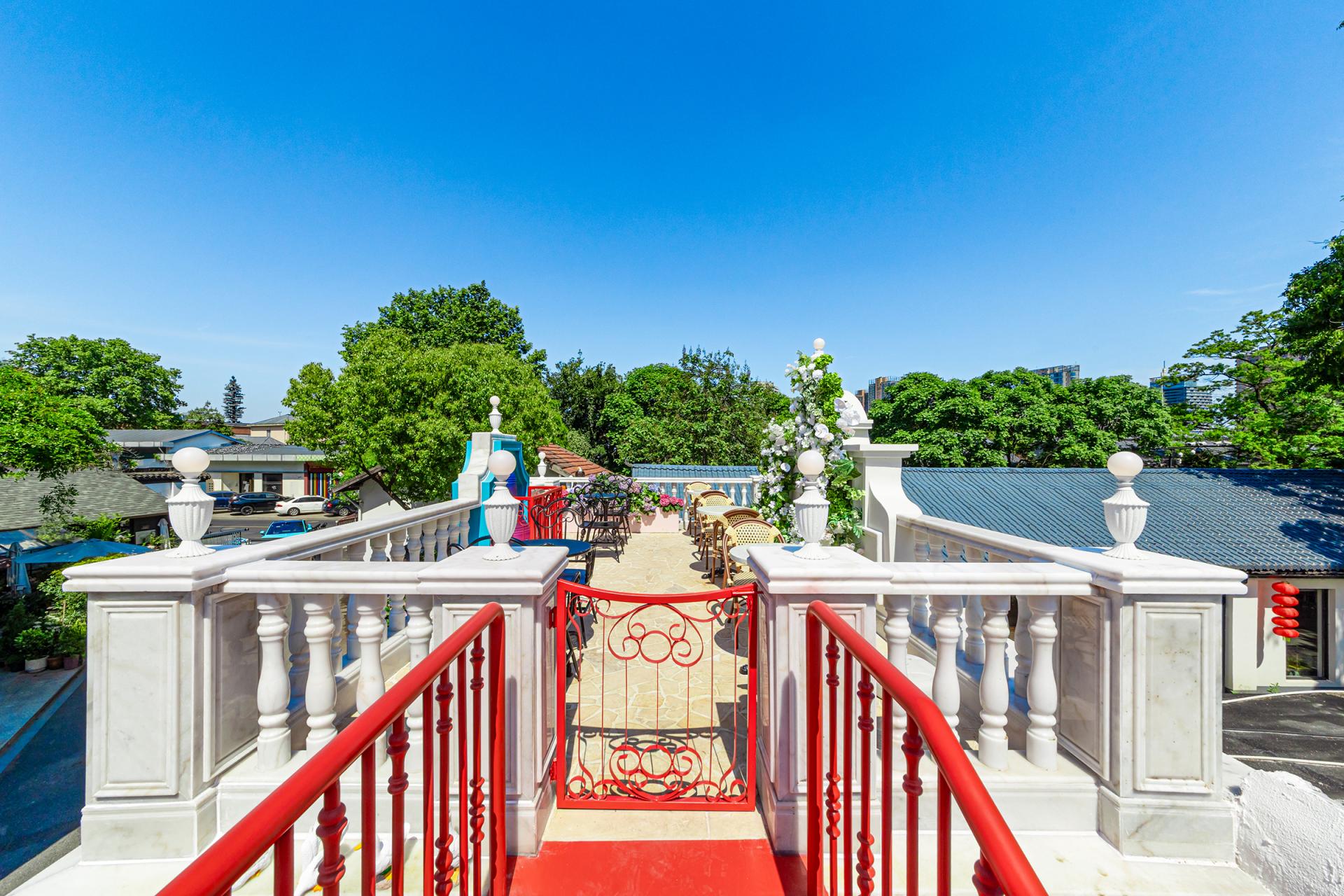
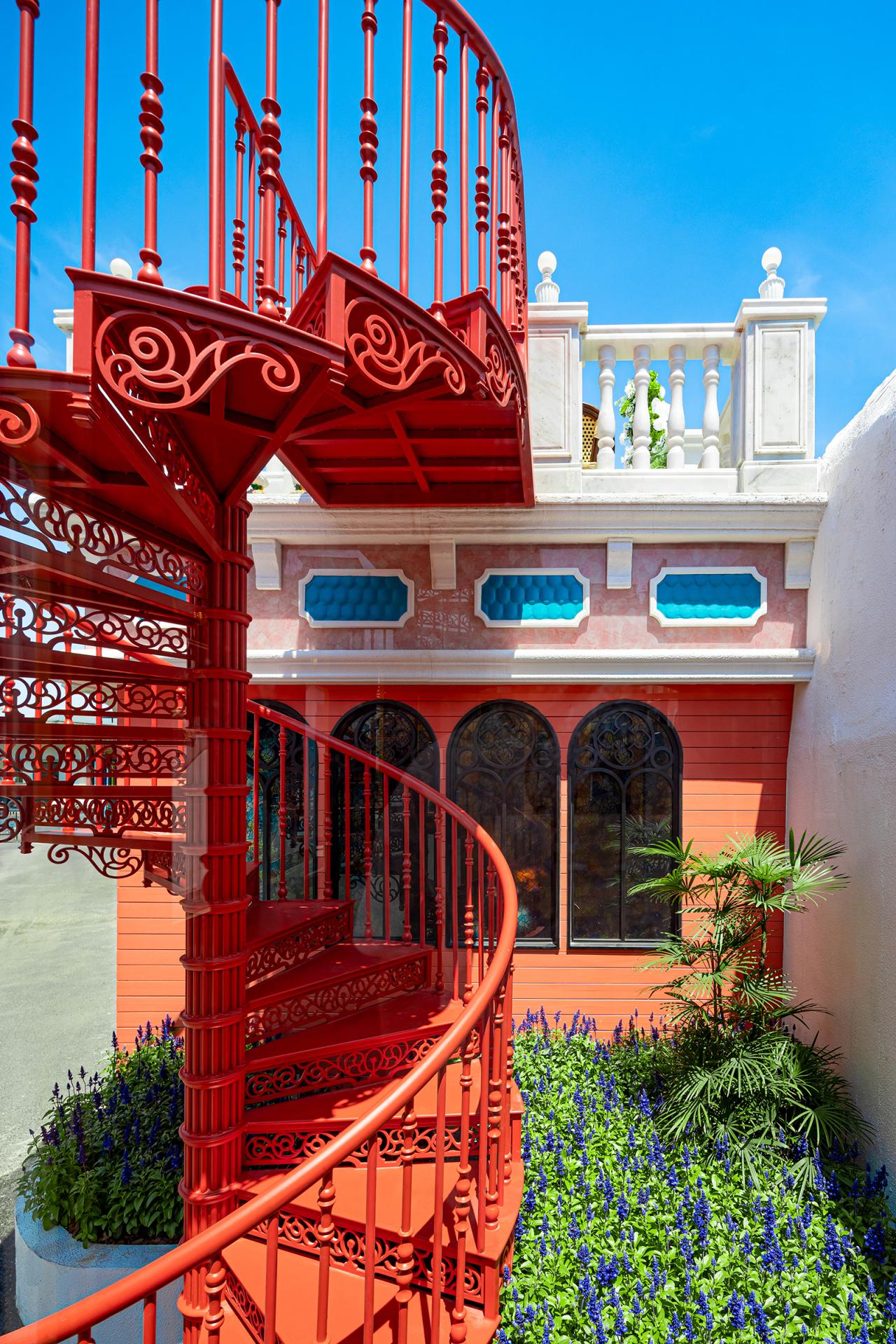
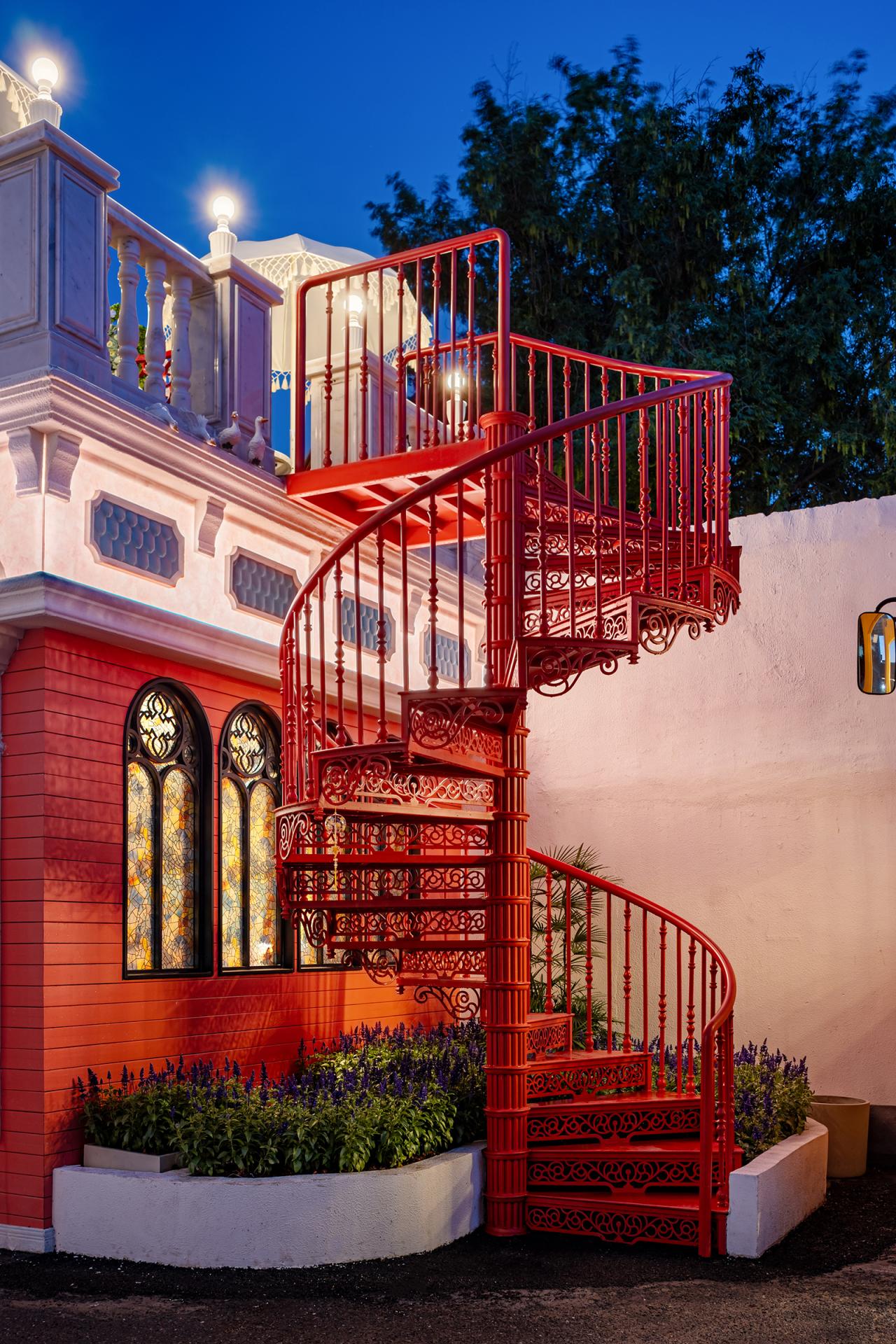
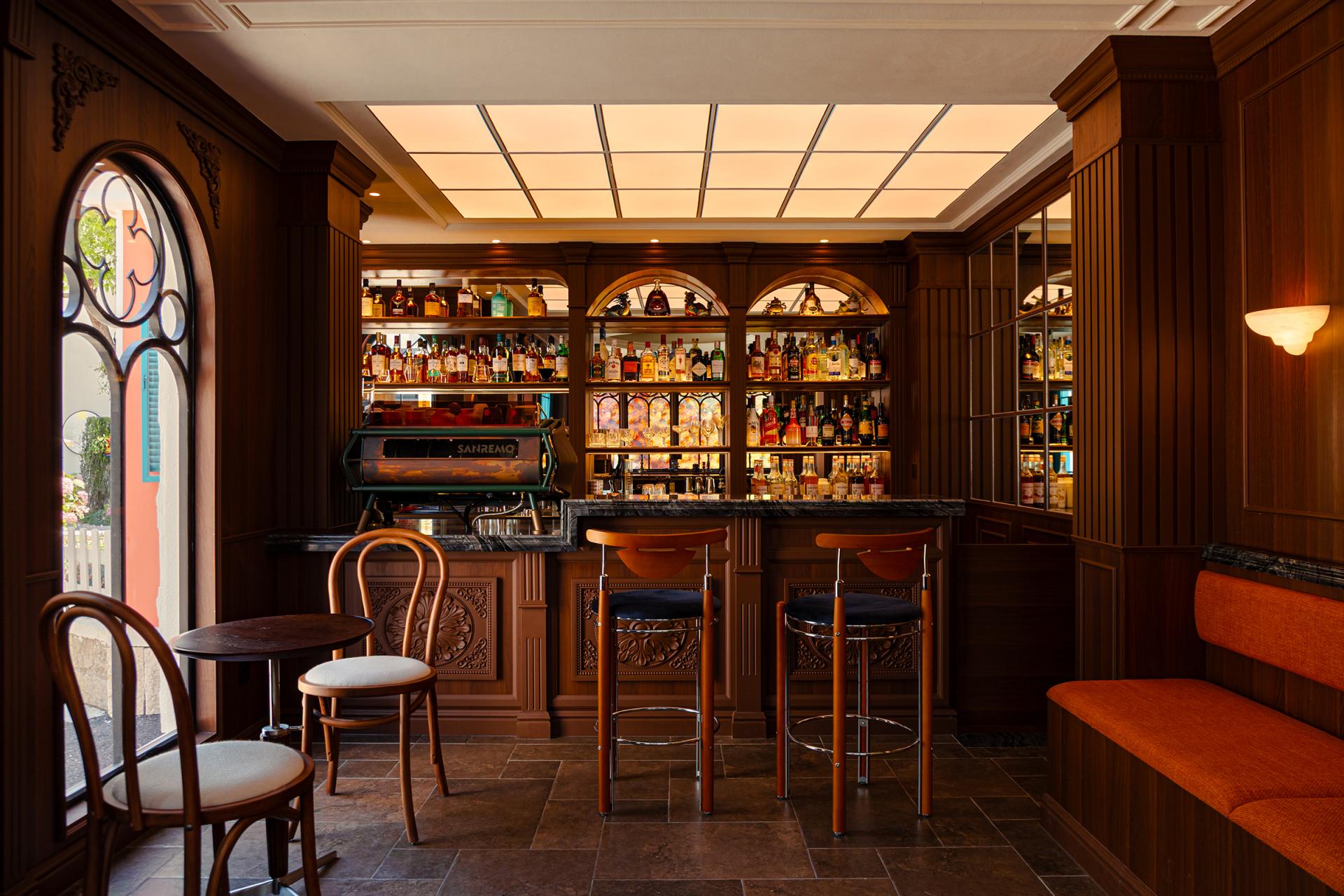
Located within Hangzhou’s historic Mantou Hill precinct, part of the Southern Song Dynasty ancient city, this project reimagines a century-old abandoned public toilet as an immersive French-inspired destination for emotional restoration and community engagement. Through a strategy of urban micro-renewal, the
design transforms a neglected structure into a gentle public sanctuary, demonstrating how small-scale interventions can generate lasting cultural and social value within historic neighborhoods.
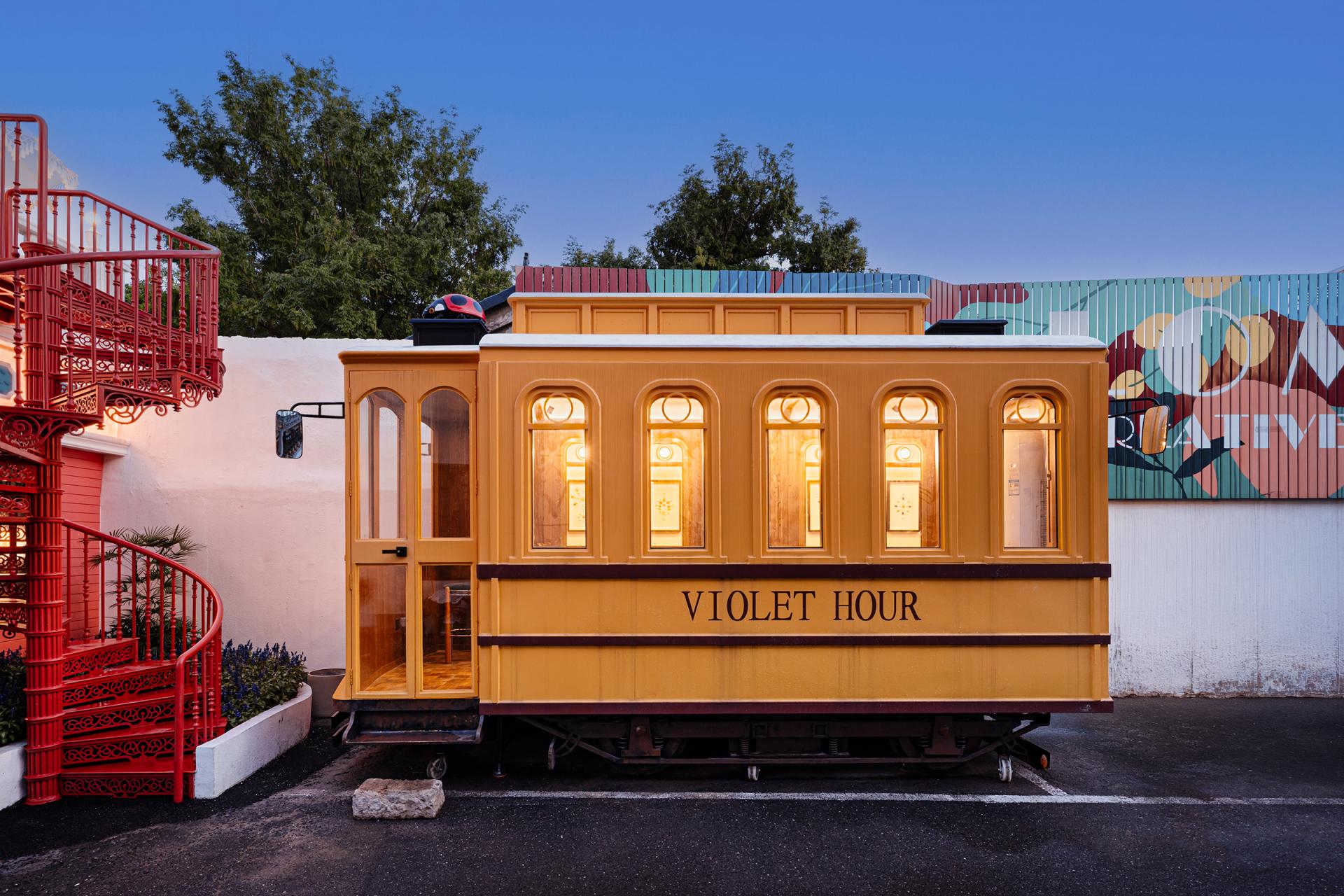
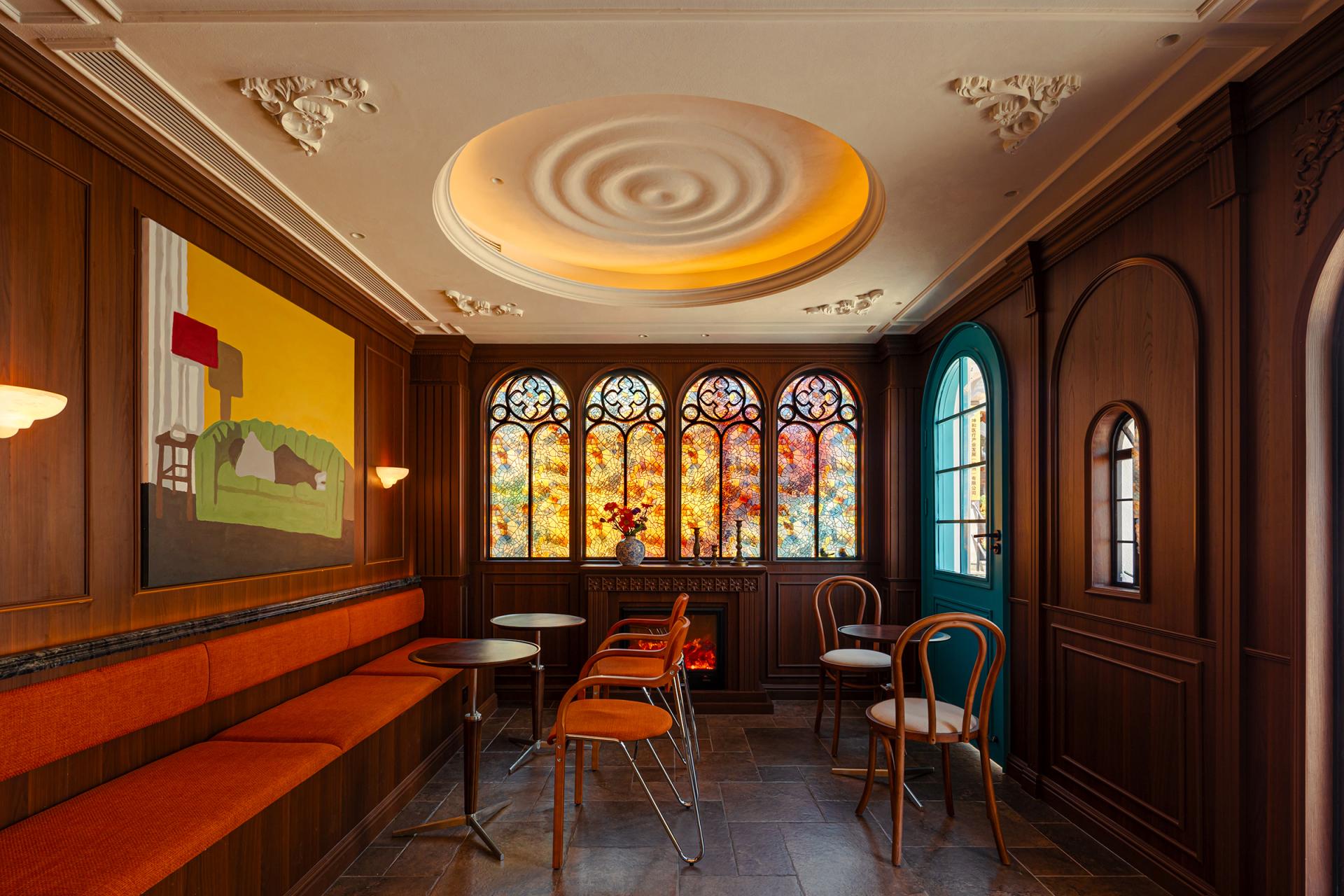
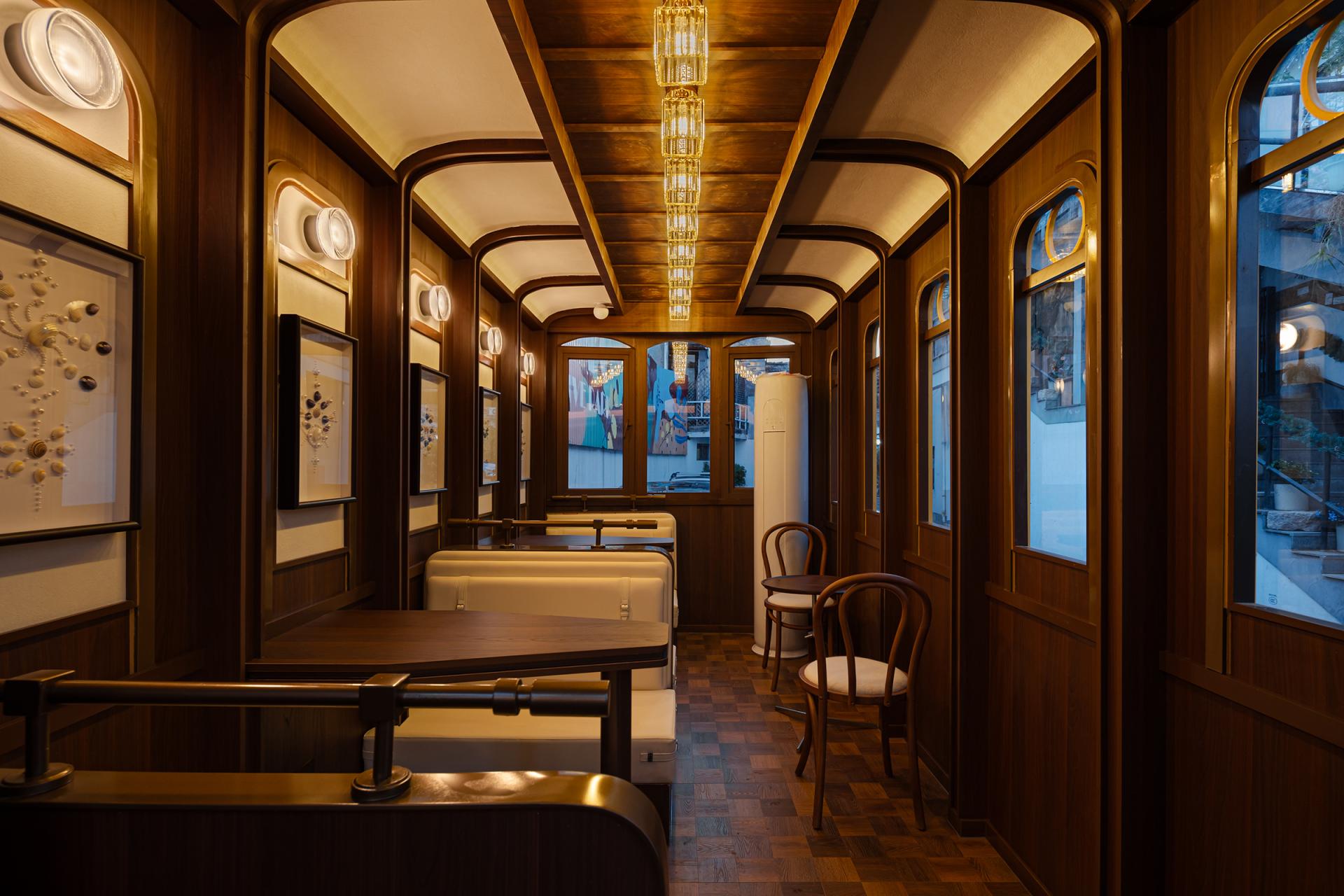
Centered on the concept of “The Violet Hour,” the project draws inspiration from poetic twilight landscapes and narratives of journey, memory, and belonging. Natural shifts in daylight create a seamless transition between the tranquil atmosphere of a daytime café and the intimate ambiance of an evening social space. A signature retro yellow railway carriage becomes the emotional centerpiece of the project, weaving a spatial story of departure and return while transforming the building into a place of reflection, connection, and urban healing.
Moving beyond conventional approaches to historic district renovation, the project introduces a micro-cultural tourism model that integrates contemporary aesthetics with community-oriented placemaking. By creating a shared environment for both residents and visitors, it activates underutilized urban resources, stimulates local economic vitality, and offers a replicable model for the regeneration of small-scale heritage spaces.
The century-old structure presented significant challenges, including weathered masonry, weakened structural integrity, and outdated drainage systems. Innovative reinforcement techniques were employed to preserve the building’s historic character while ensuring long-term safety and functionality. Comprehensive drainage upgrades and advanced waterproofing solutions successfully balance heritage conservation with modern operational requirements.
Sustainability is embedded throughout the project. E0-grade recyclable materials were selected for interior construction, reclaimed stone fragments were repurposed for paving applications, and natural limestone flooring was used to reduce environmental impact. A solar photovoltaic system further supports daily energy consumption. Through the integration of recycled materials, natural resources, and renewable energy technologies, the project demonstrates a low-carbon approach to adaptive reuse, giving new life to a forgotten historic structure while contributing to a more sustainable urban future.
Credits

Entrant
Junzhe Xiang
Category
User Interface (UI) Design - Games & Gaming-Related

Entrant
TYJ Design Co., Ltd.
Category
Interior Design - Residential
Entrant
上海赛可驰电子有限公司
Category
Product Design - Digital & Electronic Devices

Entrant
ACG Edu
Category
Conceptual Design - Graphic & Illustration