2026 | Professional

Reflected Village
Entrant
Round Delicate Design
Category
Interior Design - Residential
Client's Name
Country / Region
Taiwan
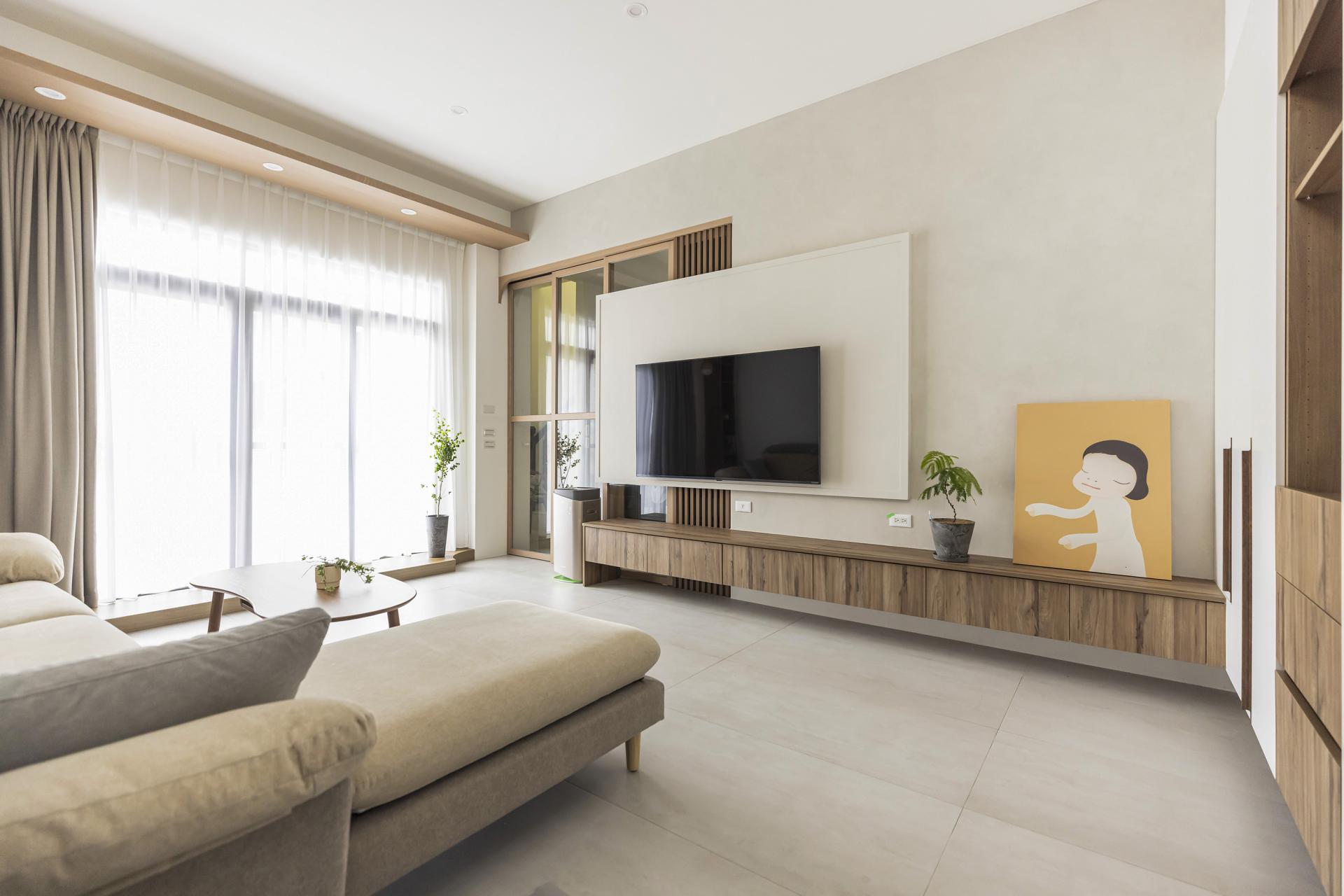
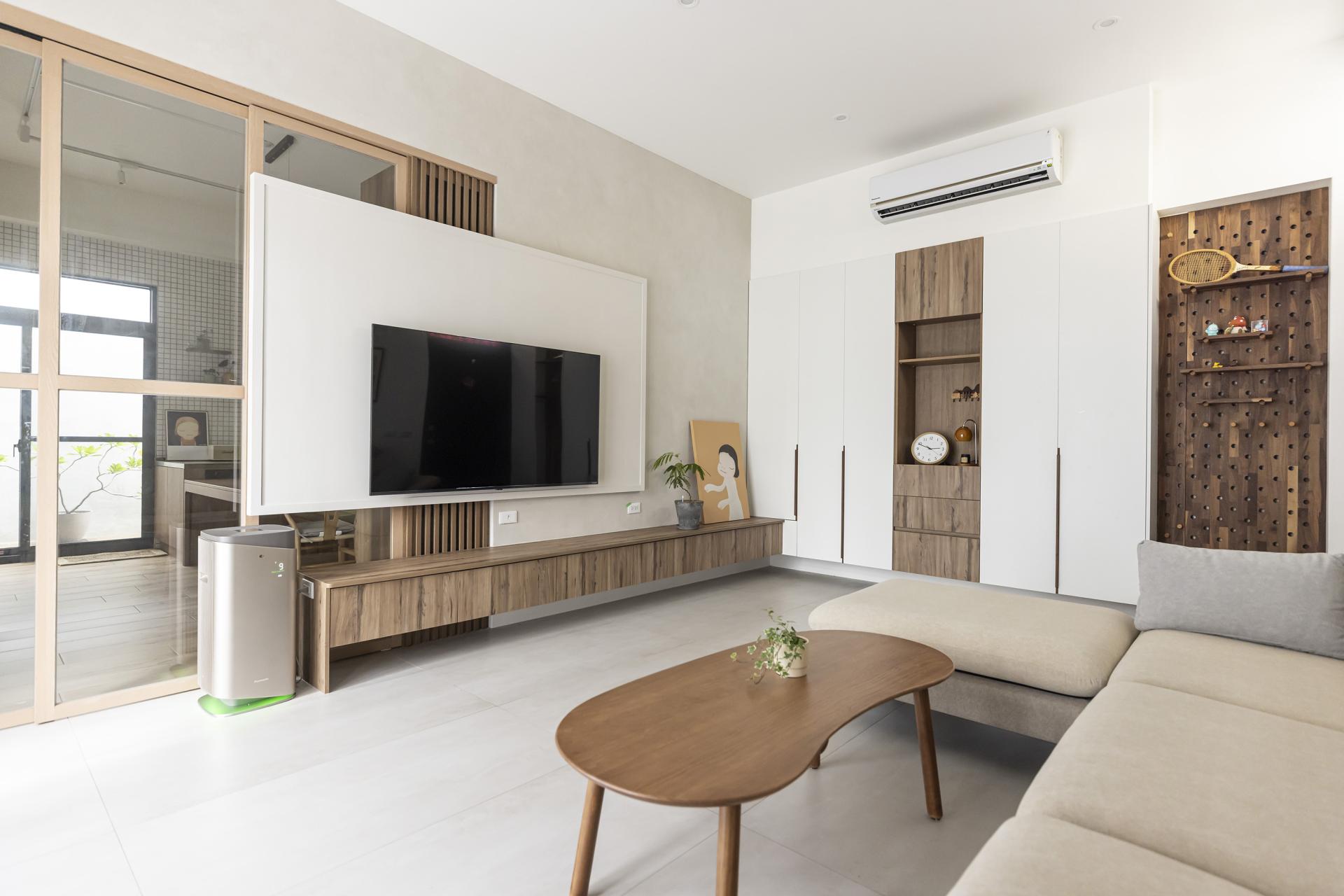
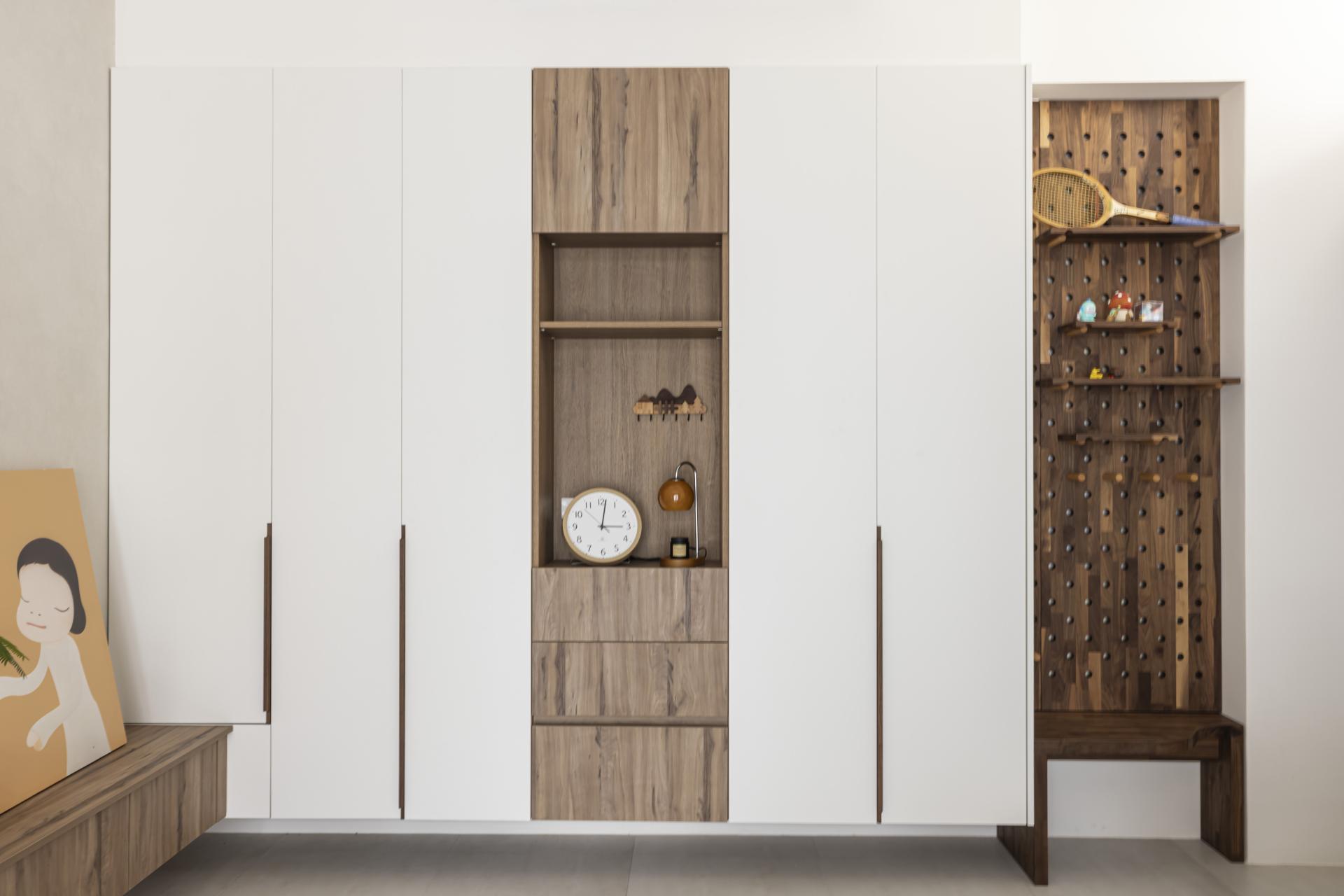
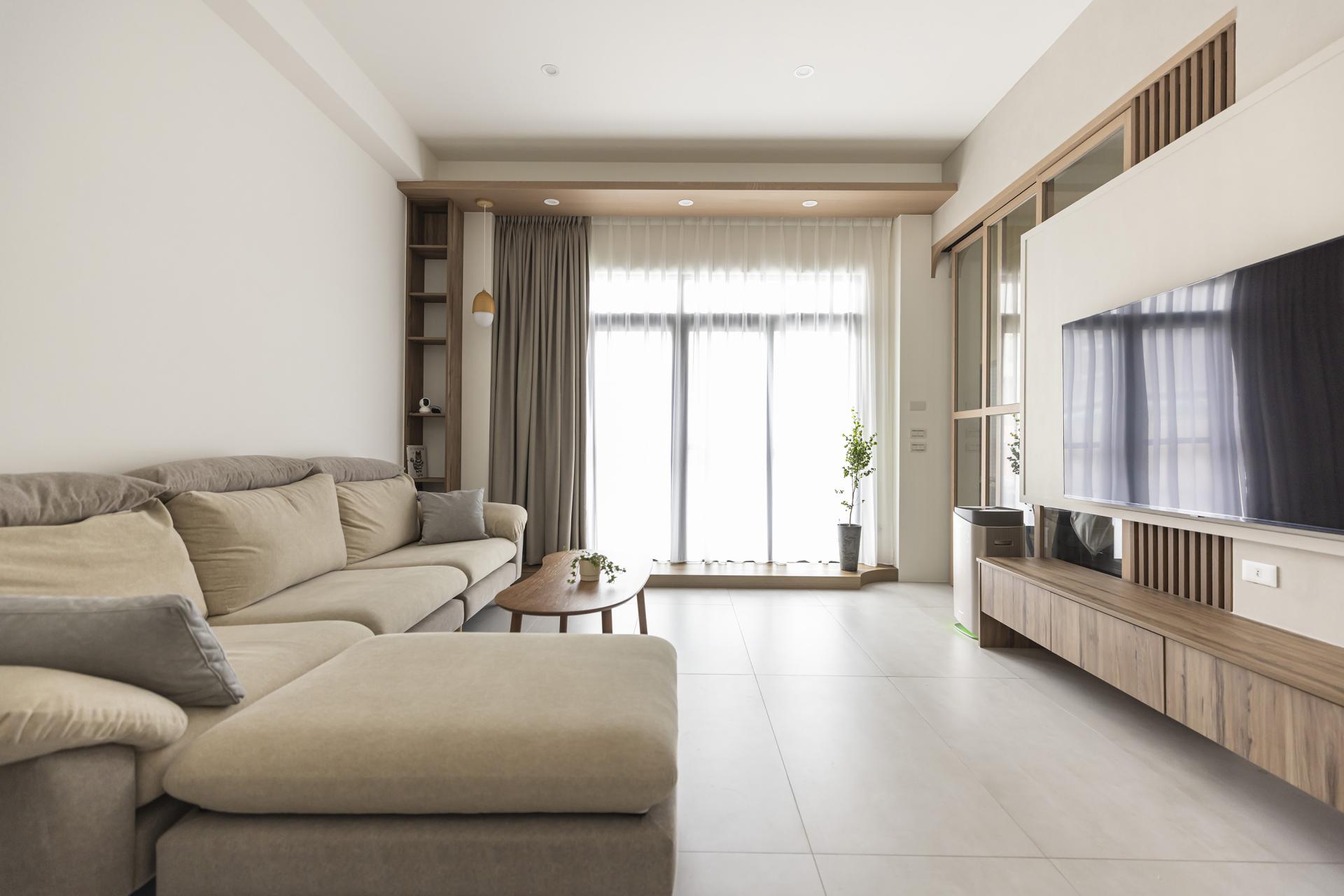
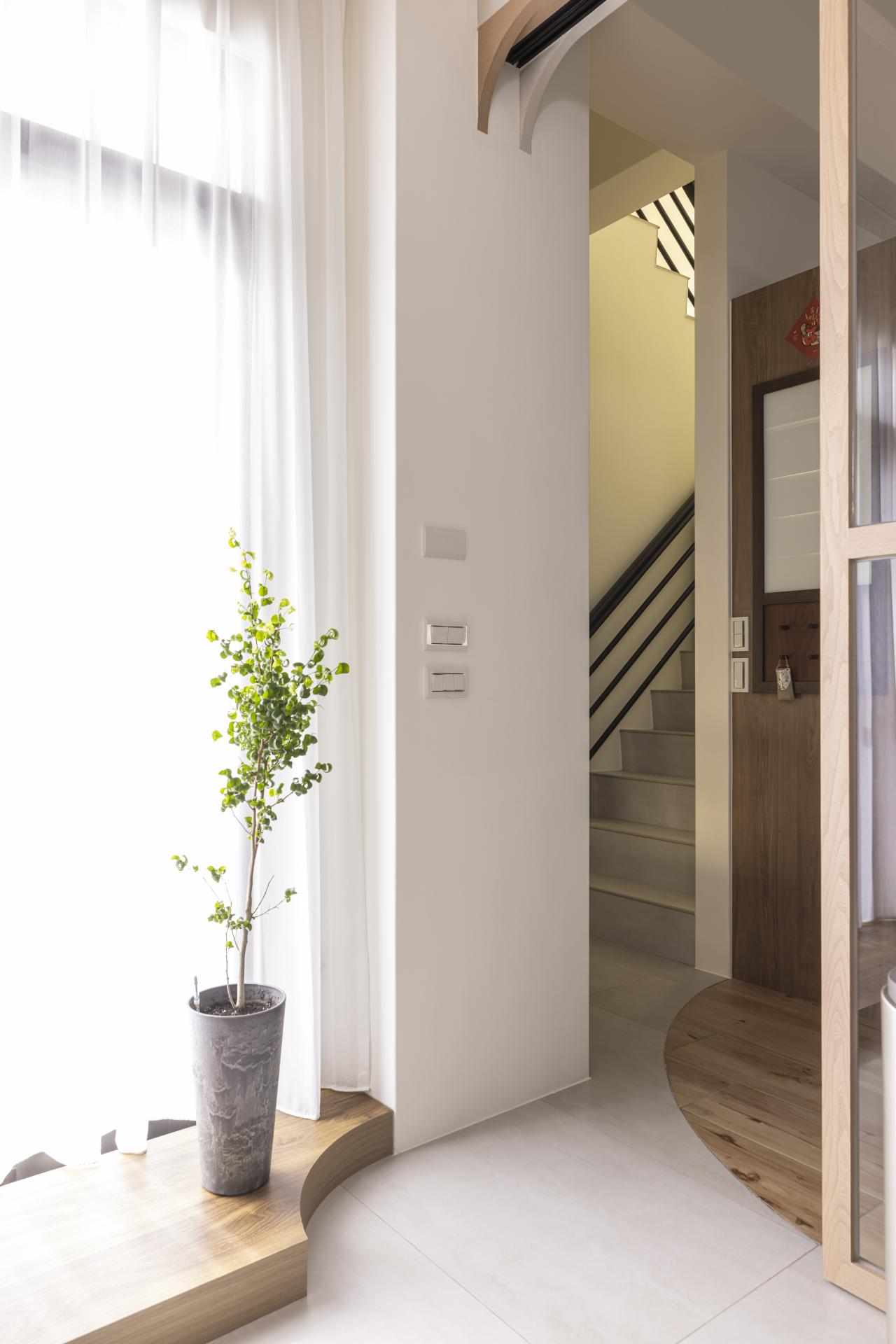
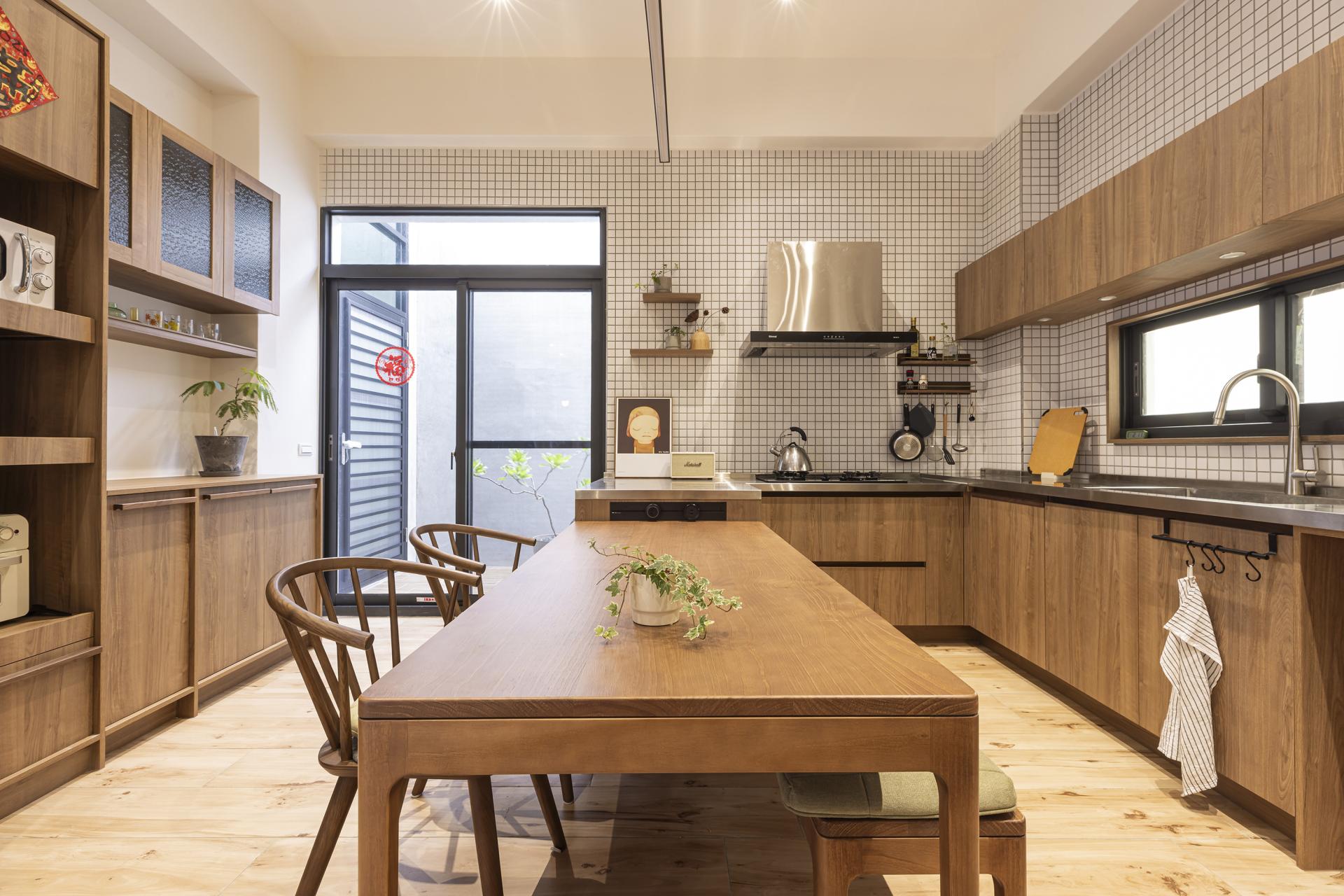
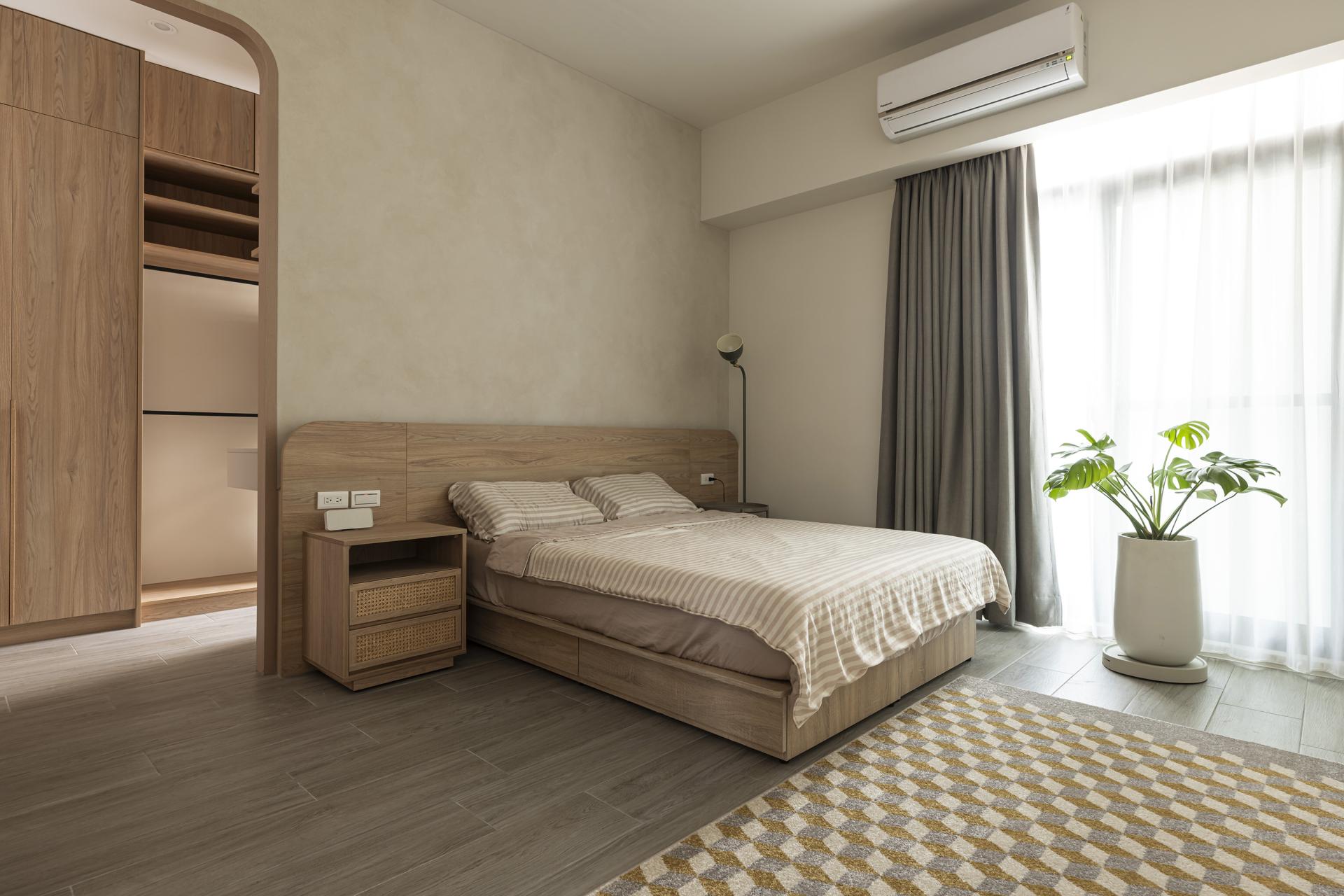
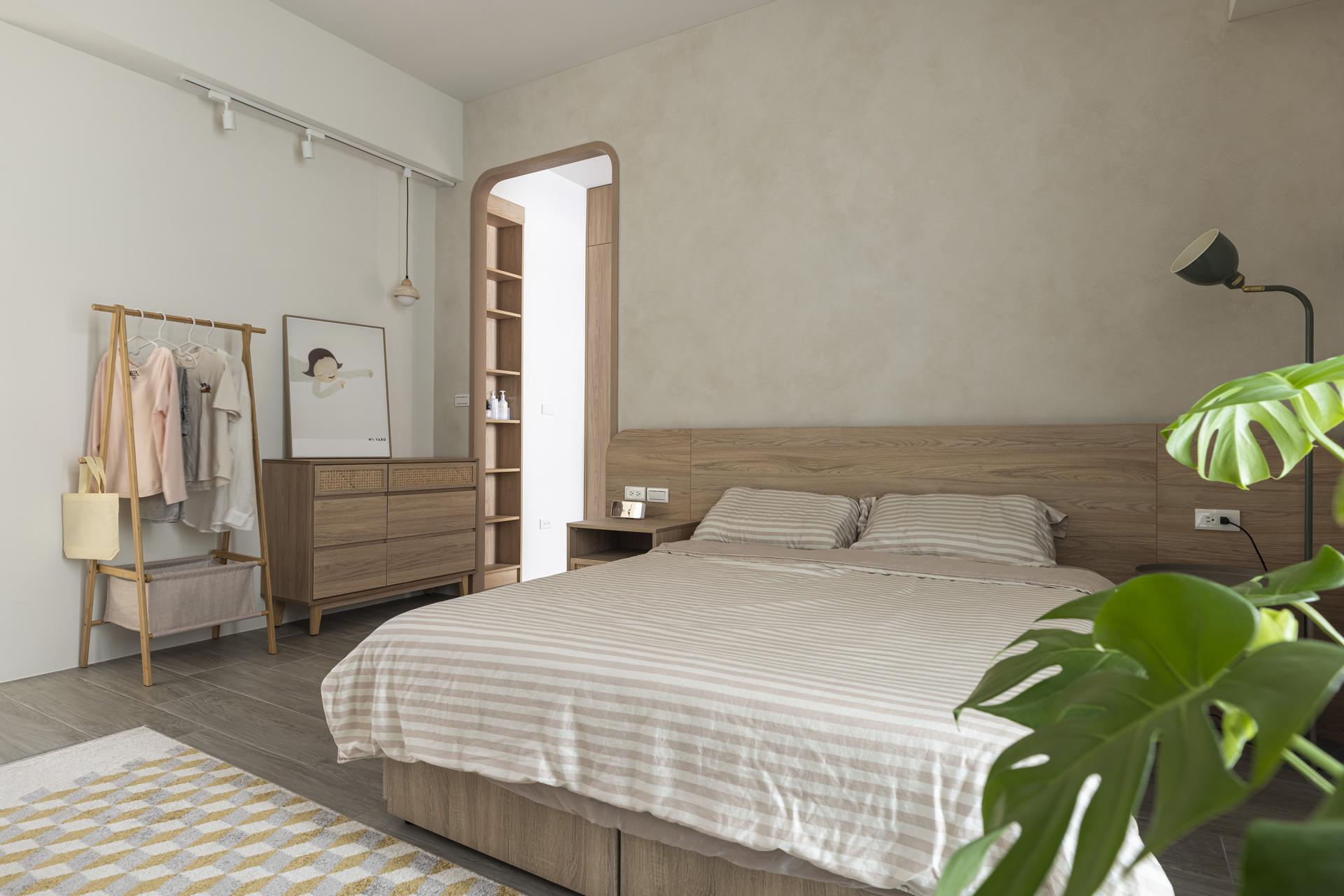
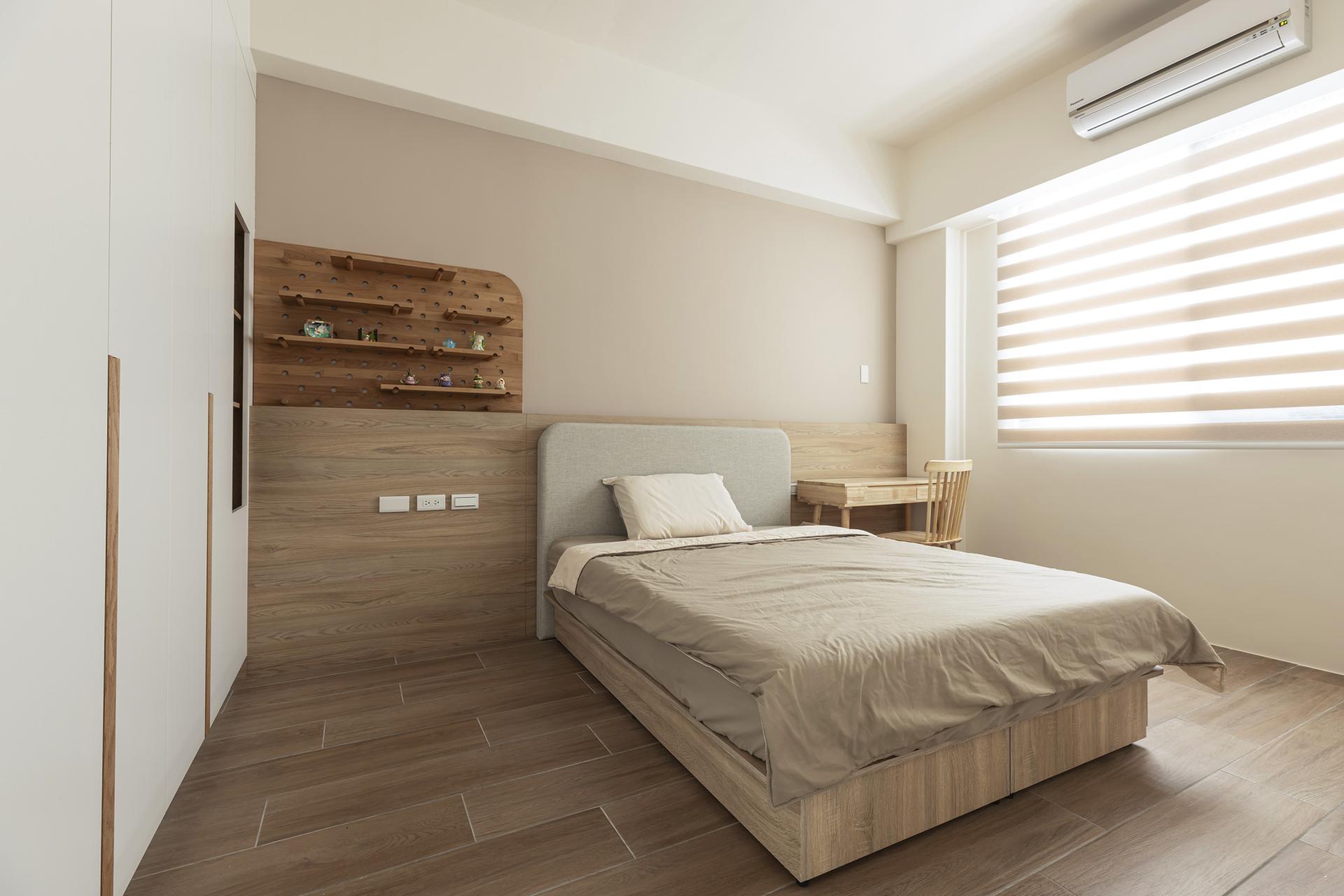
This project is located in Penghu and is home to a family of five. The homeowners’ upbringing is closely tied to island life, and they hold a strong appreciation for Japanese culture, minimalist aesthetics, and the rituals of everyday cooking. For this reason, the designer adopted Japanese minimalism as the central concept. Concrete textures, wood grain, and intentional negative space establish a calm spatial foundation while allowing the interior to resonate with the surrounding island environment. The design carefully responds to the homeowner’s emphasis on the kitchen as a daily stage, enabling it to function simultaneously as a place for cooking, social interaction, and photography.
As a result, the home becomes more than a residence—it acts as a vessel where memories of a fishing village and personal tastes gradually reflect and unfold.
One of the most representative highlights of the space is the TV wall positioned between the living room and the kitchen. Since the homeowner wished to remain connected with family members while cooking, the designer introduced a floating TV wall combined with vertical slats and sliding glass doors, forming a relationship that lies between openness and separation. The visual connection between the kitchen and living room remains uninterrupted, allowing cooking activities to remain visible while visually extending the relatively compact living area.
The kitchen itself becomes another focal point of the home. A skeletal cabinet structure organizes the vertical composition, while wood cabinetry paired with stainless steel countertops creates a clean aesthetic reminiscent of a Japanese professional kitchen. The dining table and appliance layout were carefully studied according to daily habits. Even details such as power outlet positions and tabletop height were precisely aligned with the family’s routine needs.
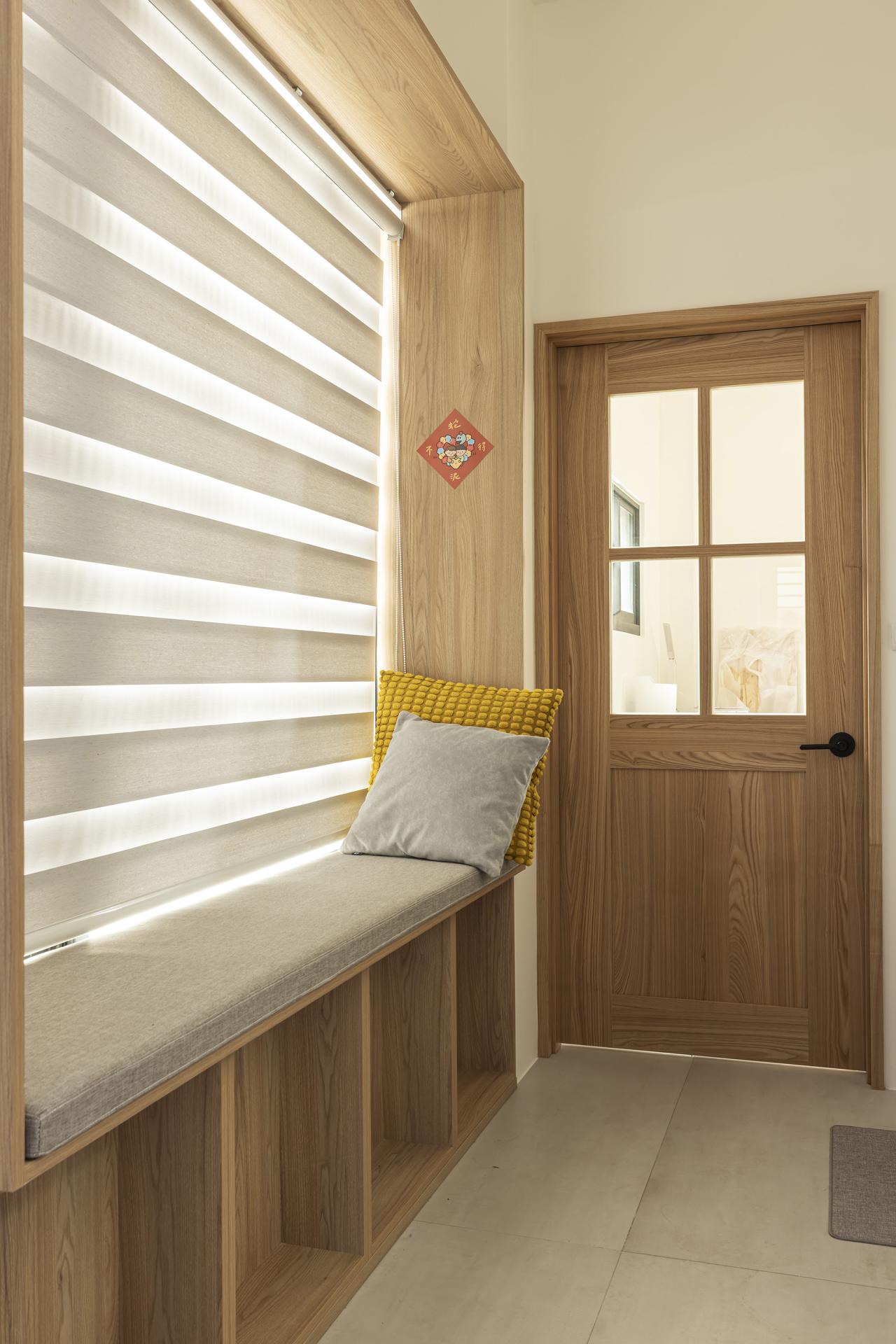
Near the staircase landing on the second floor, the designer also created a tatami-style reading nook, providing a moment of calm within everyday life. The original window opening was transformed into a framed wooden aperture, allowing one to sit, lie down, read, or simply observe the shifting outdoor scenery and light.
Credits
Entrant
RIG Design Co.,ltd
Category
Interior Design - Spa & Wellness
Entrant
JUNYUN Architecture Design Office Co.
Category
Architectural Design - Commercial Building

Entrant
NINGBO university
Category
Fashion Design - Costume Design

Entrant
Jiangsu Jinpeng Group Co., Ltd.
Category
Product Design - Car & Motorcycles