2026 | Professional

Children's Rx Eyewear with Interchangeable Charms
Entrant
Once Upon a Charm Eyewear
Category
Product Design - Baby, Kids & Children Products
Client's Name
Country / Region
United States
This project reimagines pediatric eyewear by treating emotional acceptance as a functional requirement, not a secondary consideration.
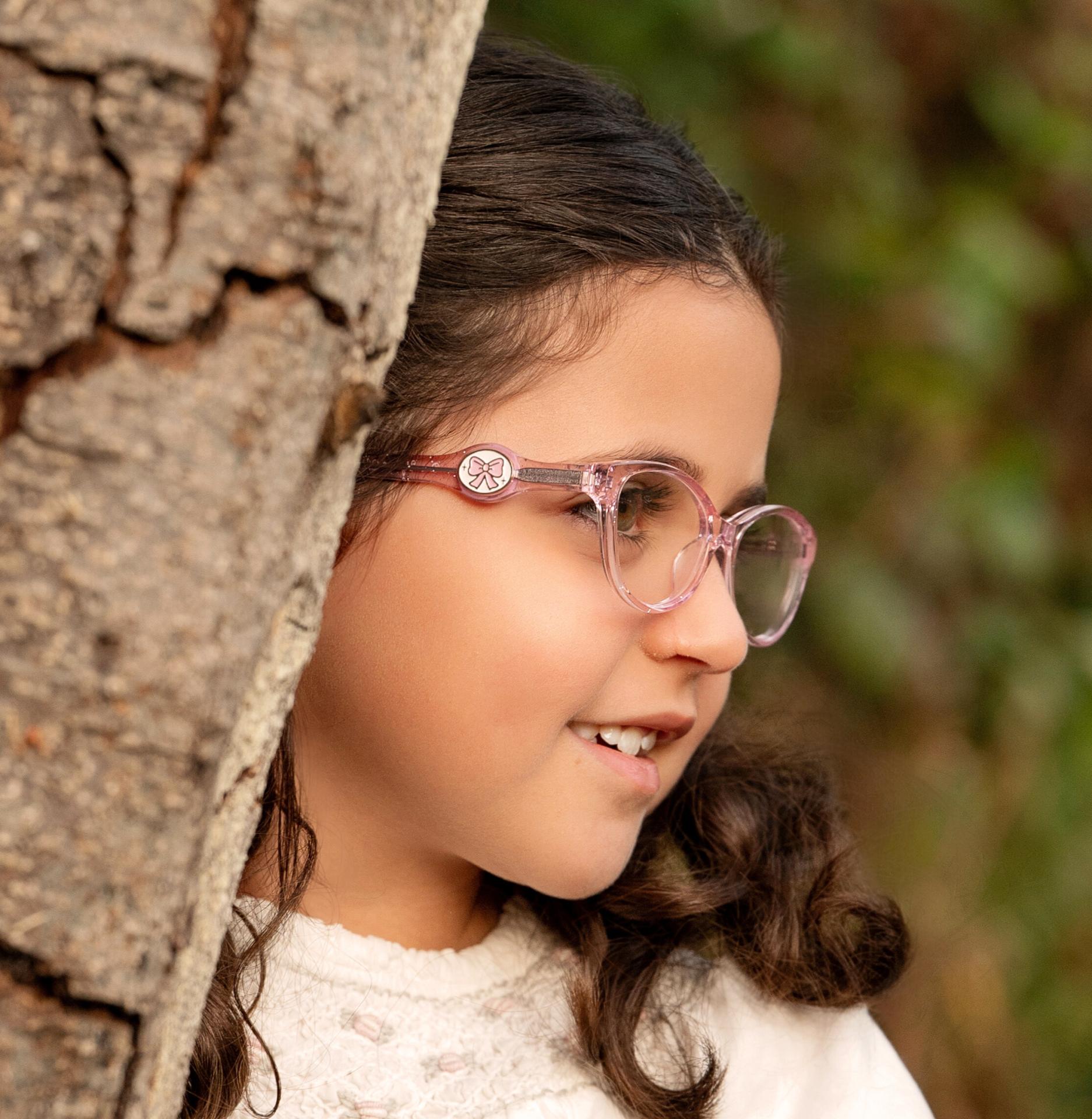
It began with a design problem that carries developmental and medical consequences: for children with amblyopia, strabismus, and other significant refractive errors, Rx glasses often need to be worn consistently. Yet many children resist wearing the very device meant to help them. Too often, glasses are removed, misplaced, "forgotten", hidden in backpacks, because they can make a child feel different, self-conscious, or vulnerable to teasing. I wanted to address that gap through human-centered design by creating eyewear that supports not only vision, but willingness.
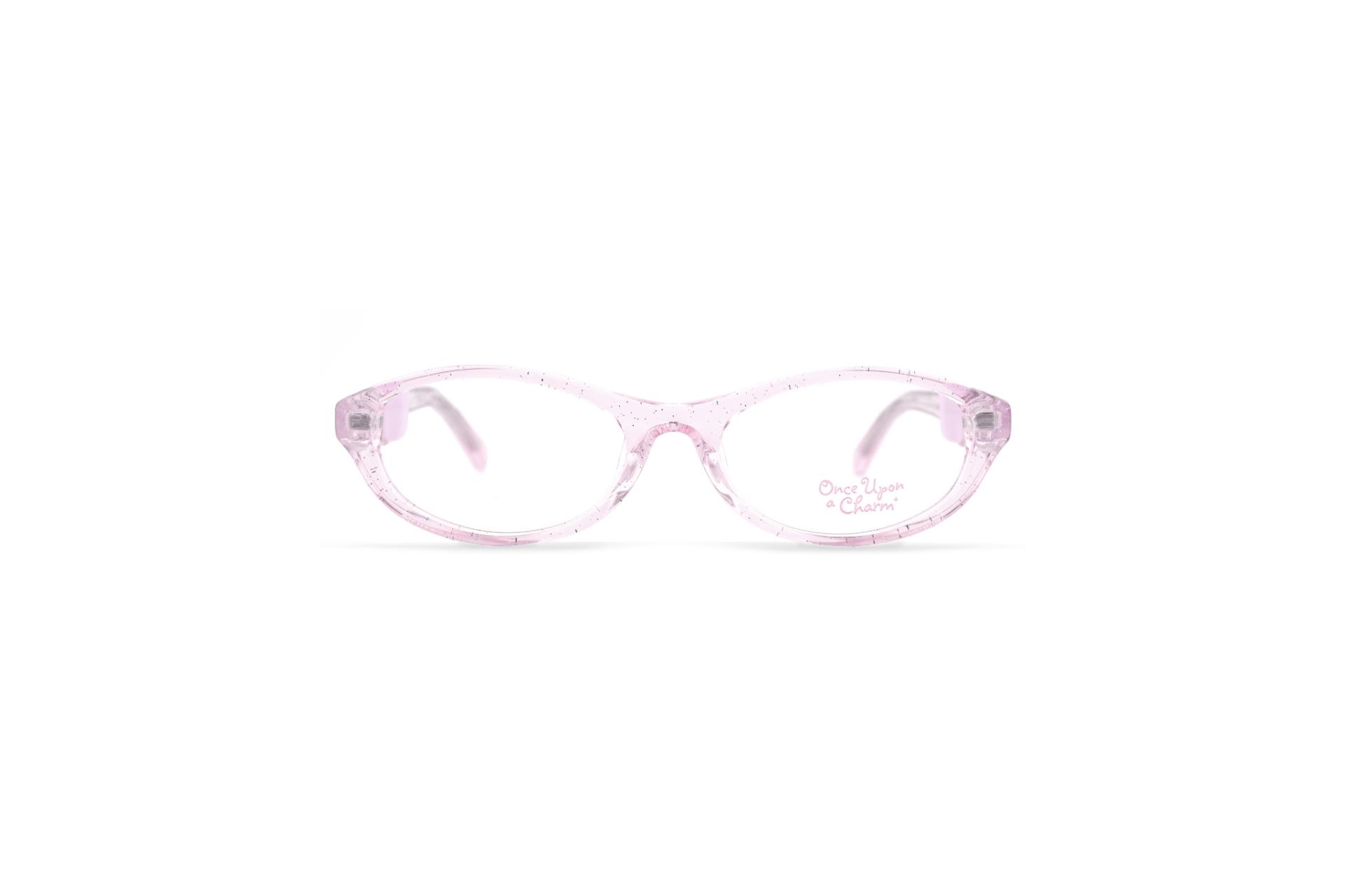
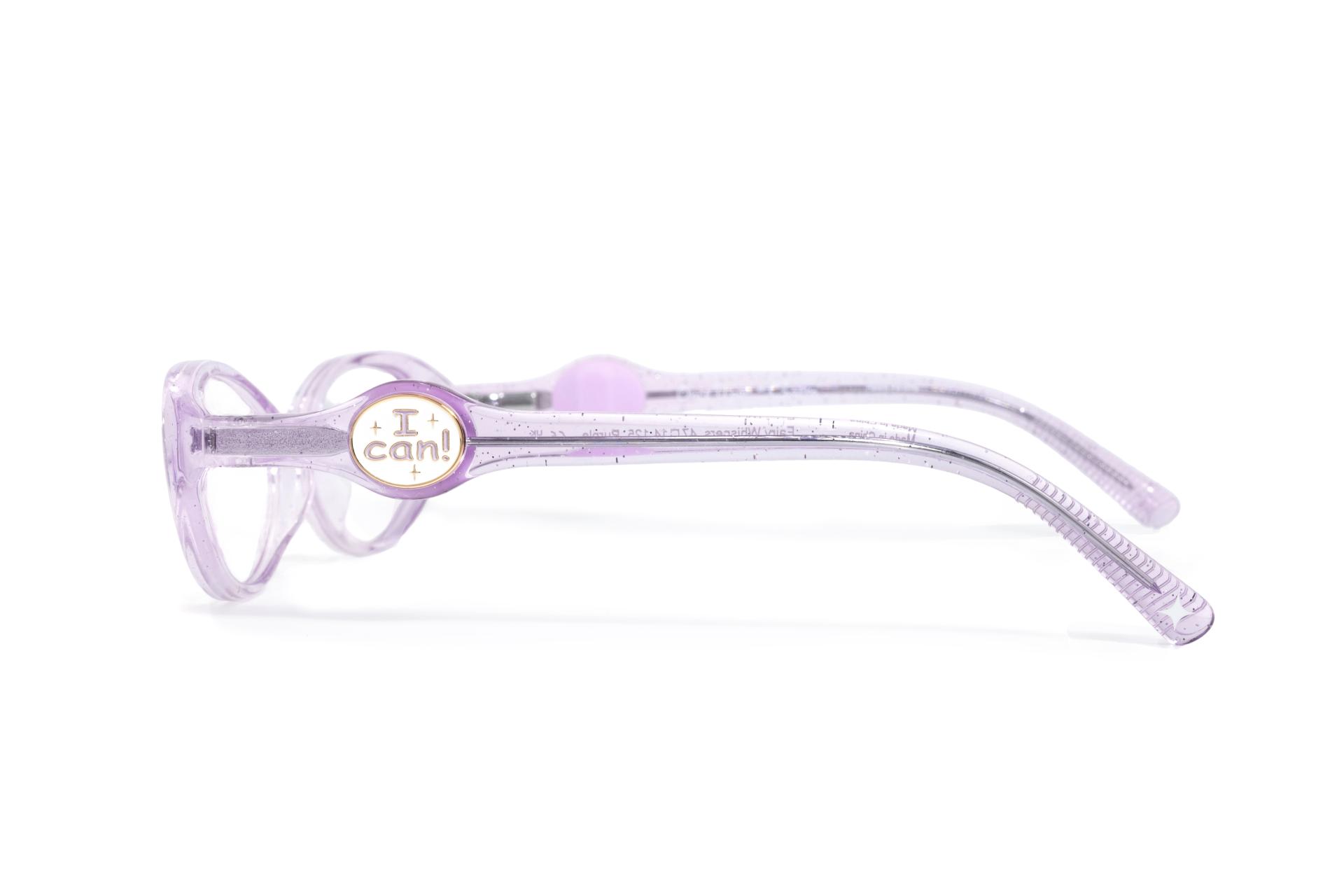
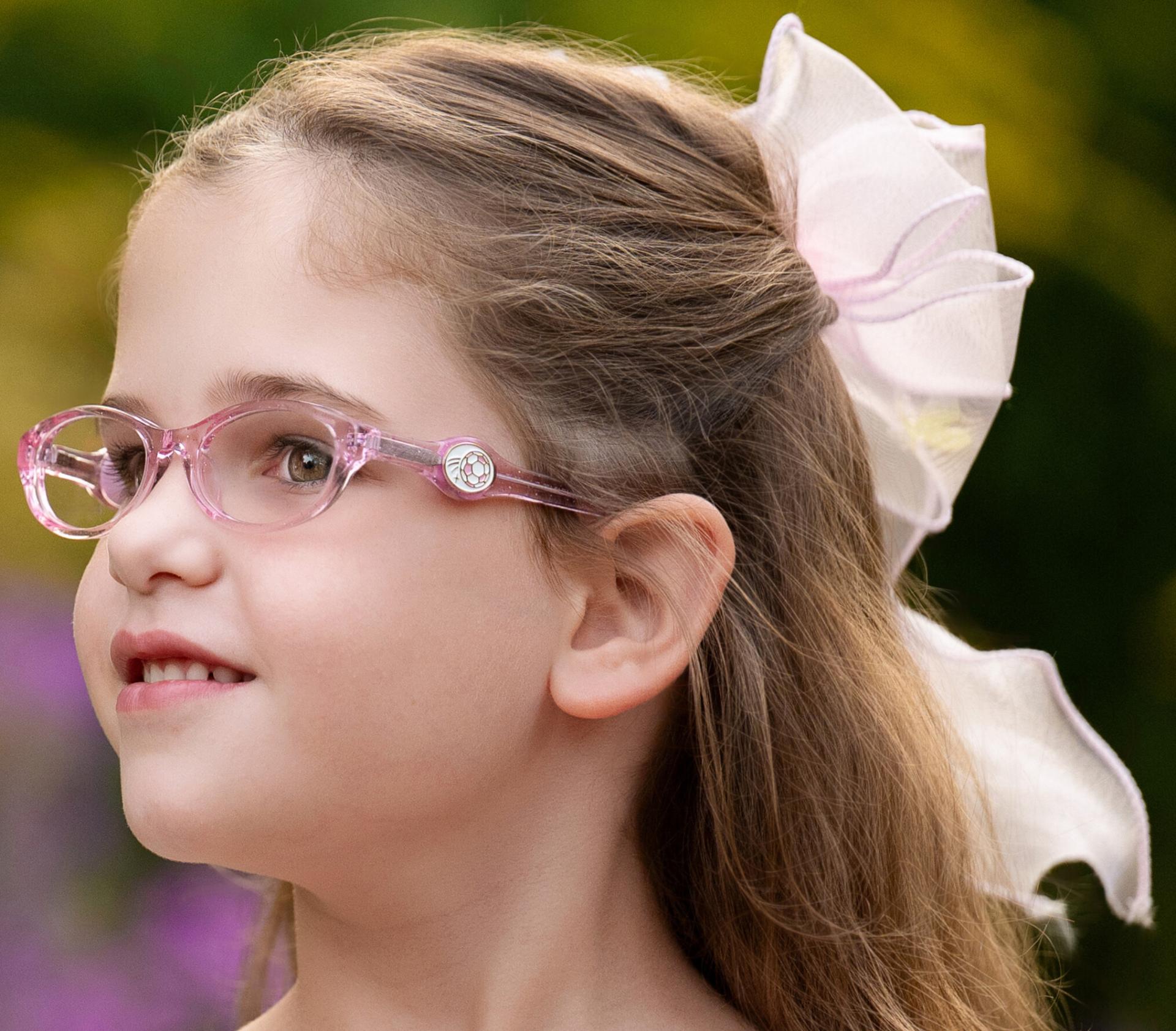
The concept started with a simple question: what if glasses felt less like a medical corrective device and more like something a child could love, and even treasure? That question shaped the brief, the design language, and the execution. The frame system was developed not by simply scaling down adult eyewear, but by designing specifically for the proportions, fit, and stability needs of a child’s face. Refined proportions, premium acetate construction, and a soft, polished visual language were intentionally chosen to move children’s eyewear away from a purely clinical appearance and toward something expressive, beautiful, and emotionally resonant.
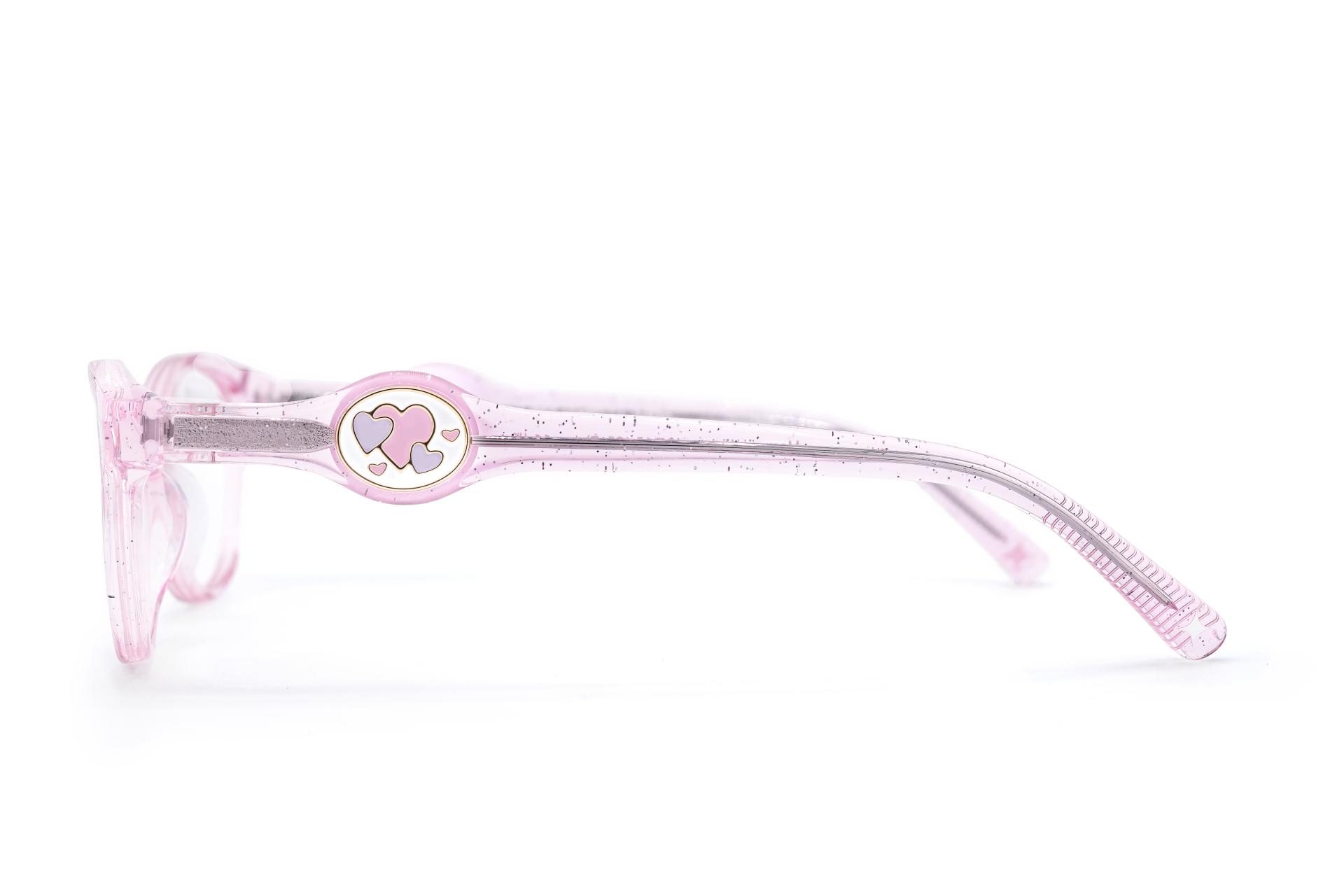
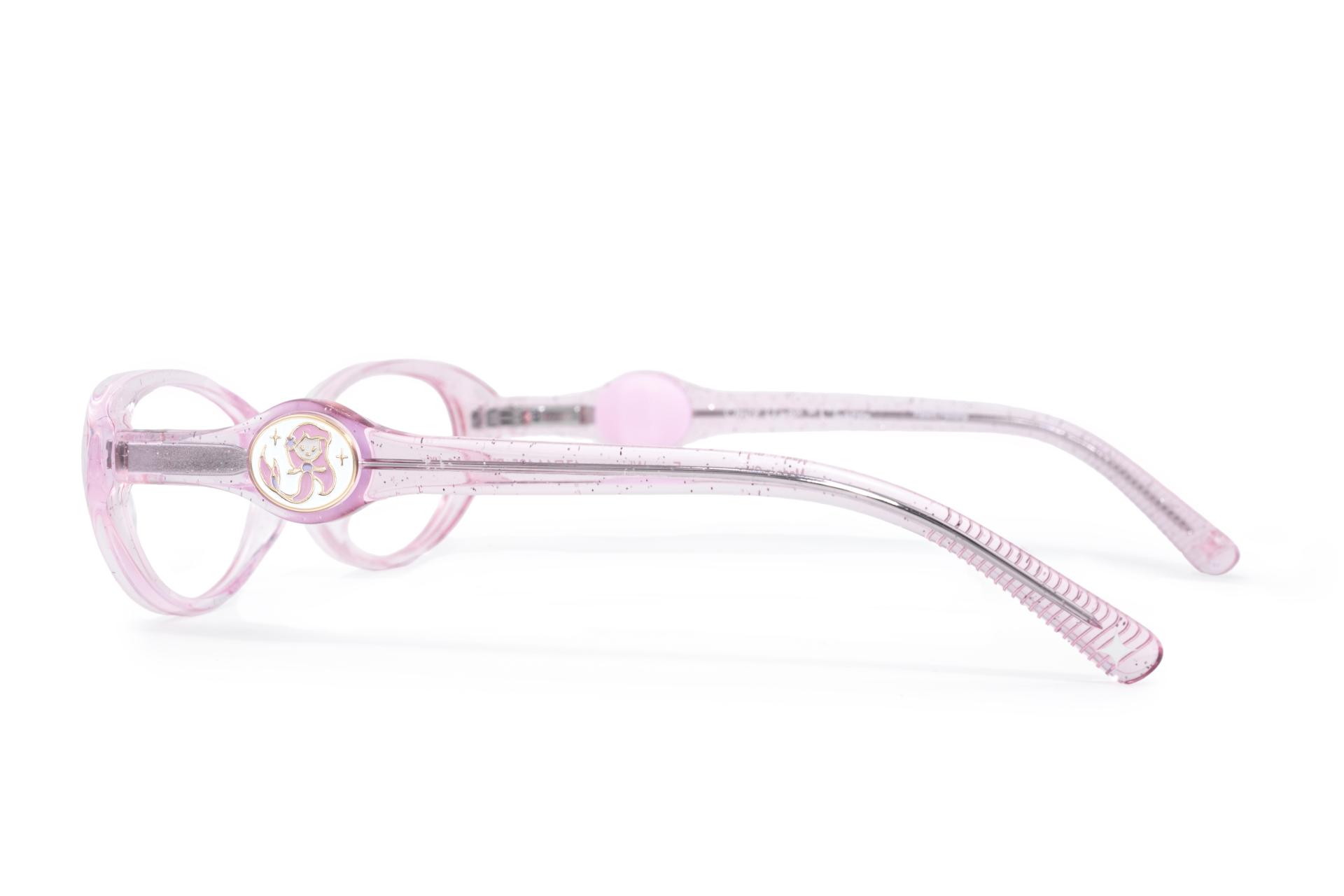
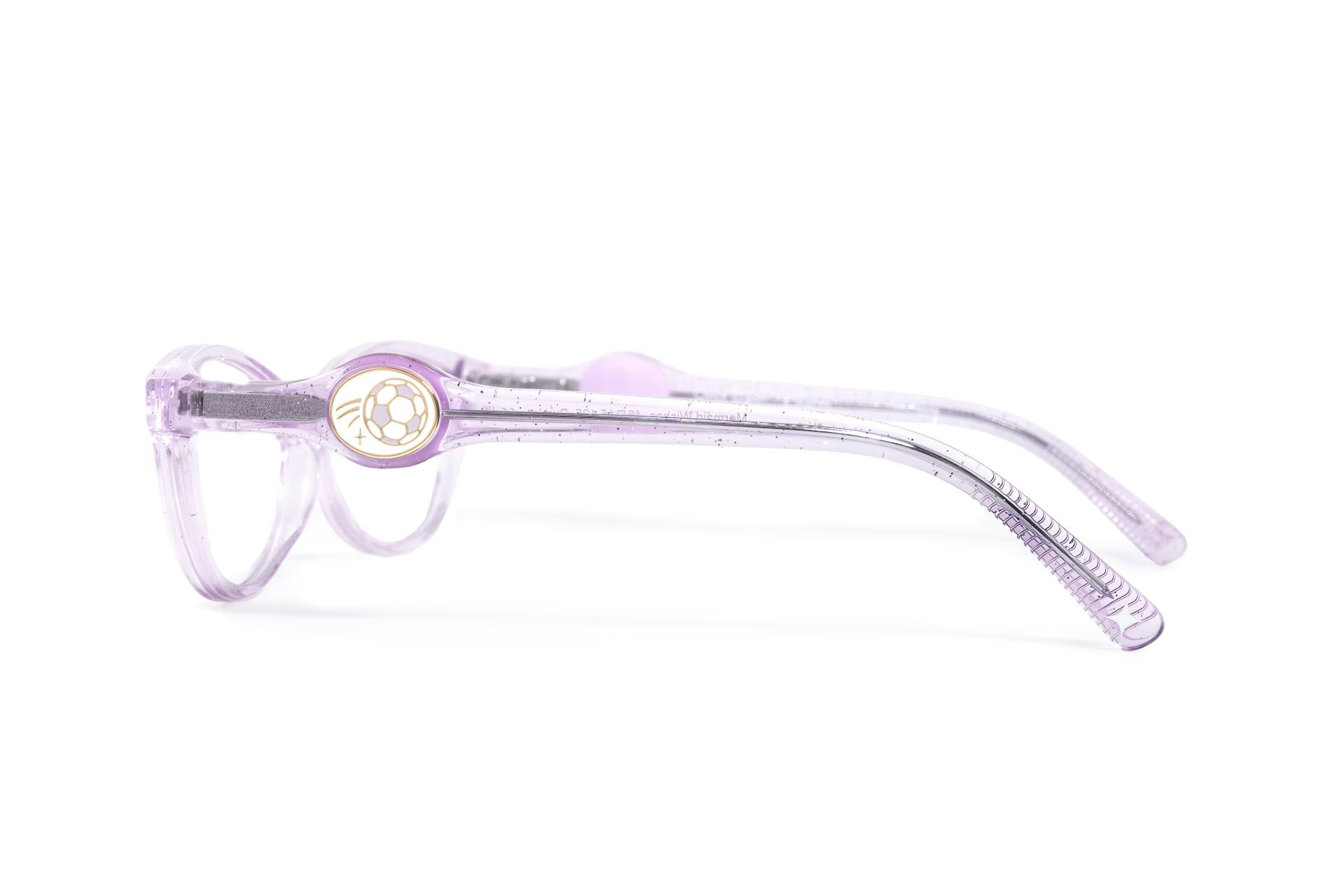
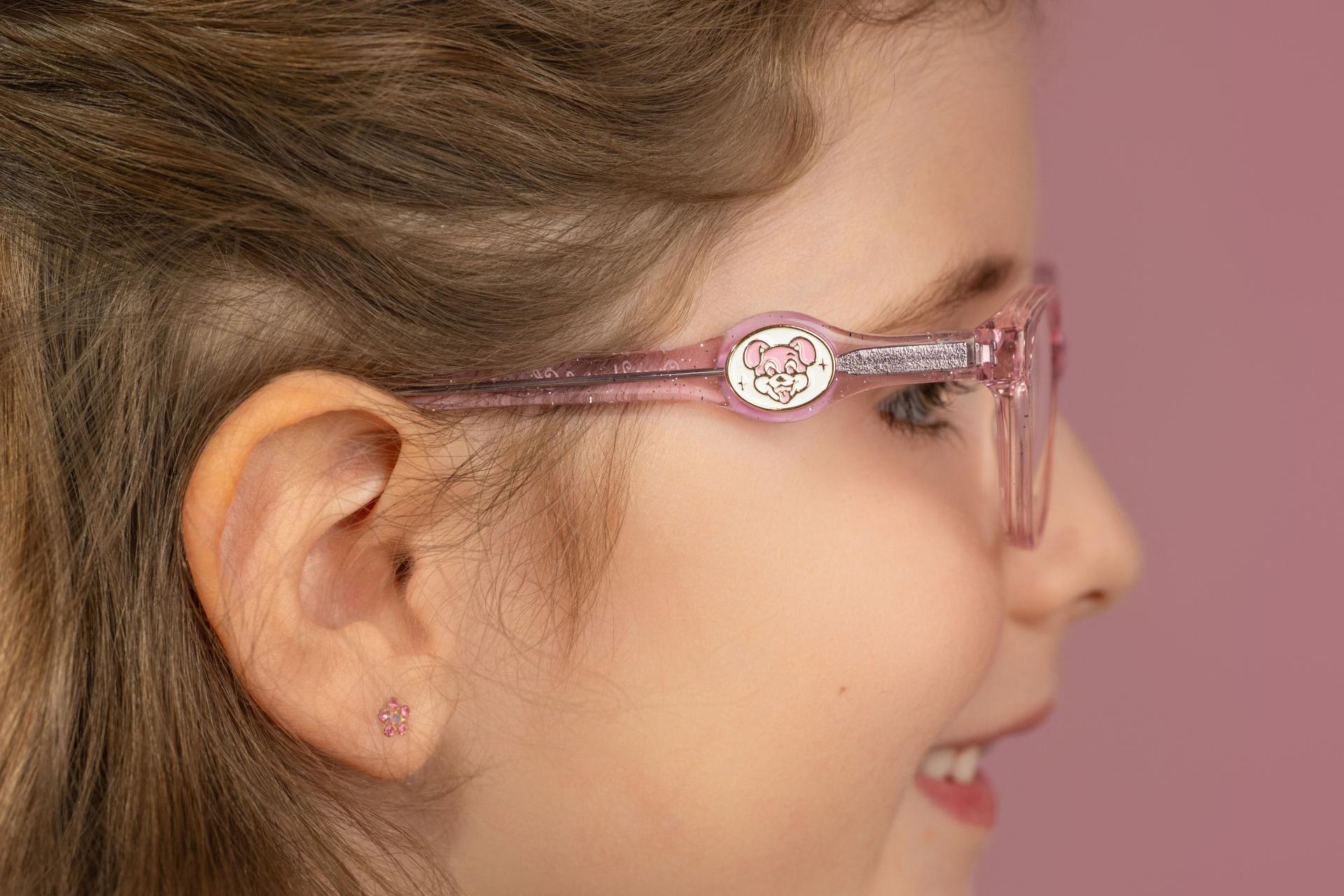
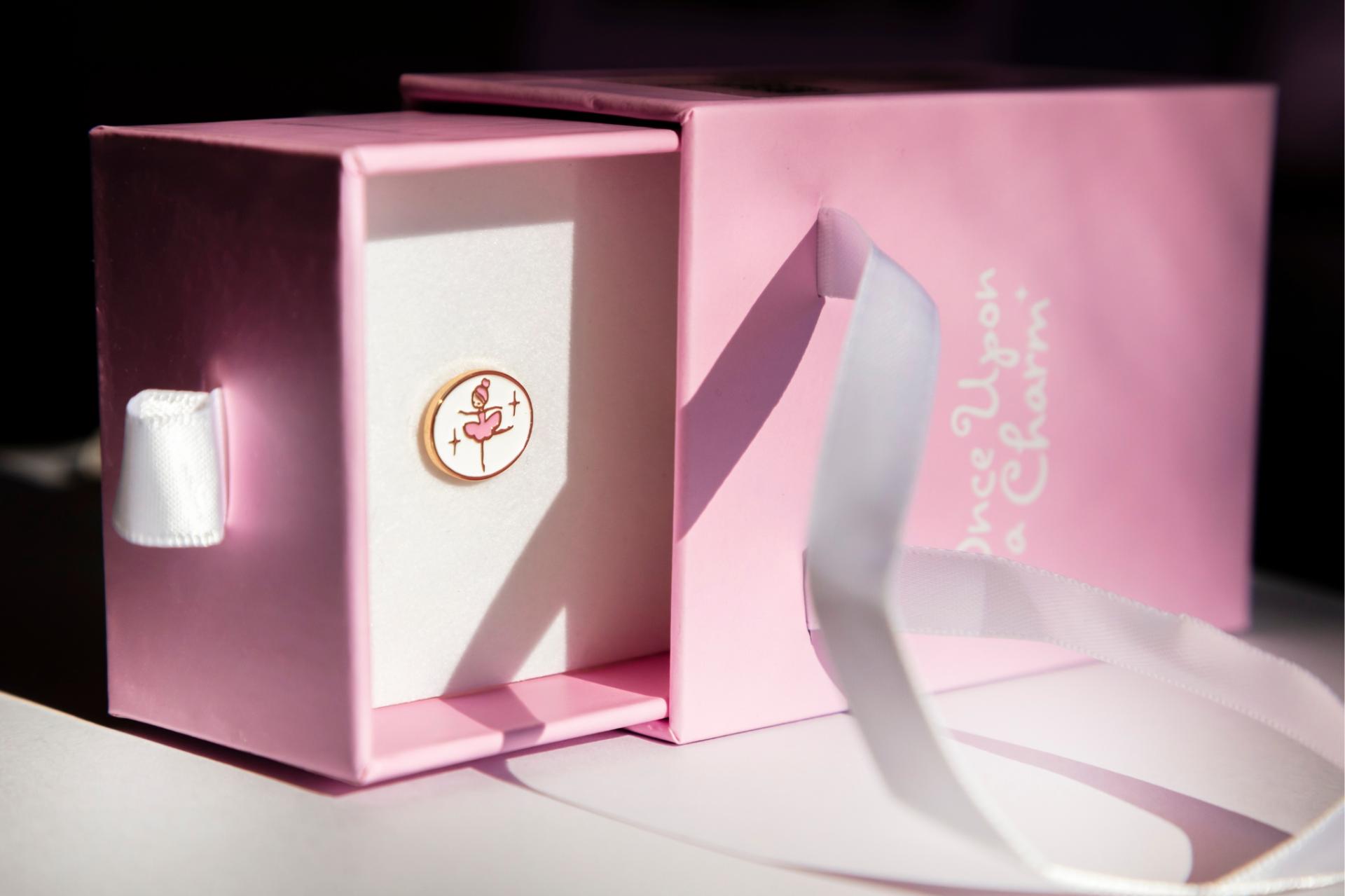
At the center of the design is a patent-pending integrated interchangeable charm feature that allows the child to personalize her glasses without compromising the integrity of the frame. The hand-painted charms draw on imagery to which children feel emotionally connected (i.e. fairies, butterflies, bows, etc.), making customization not merely decorative, but deeply meaningful. Built into the architecture of the product rather than applied as an afterthought, the charm sits flush and preserves a clean silhouette while creating a playful, evolving relationship between child and object. In this way, the glasses become more than a corrective device. They become an object of pride, attachment, and delight, increasing the likelihood of consistent wear.
The intended impact is both practical and emotional: to improve wear compliance, reduce resistance, and transform the experience of glasses for children who need them. Ultimately, this eyewear is designed to be treasured, never dreaded.
Credits
Entrant
Yoon Seo Lee
Category
Fashion Design - Prêt-à-porter / Ready-made
Entrant
Shenzhen Qianhai Nicemay Medical Beauty Instruments Co., Ltd.
Category
Product Design - Personal Care

Entrant
Shenzhen Northern Hemisphere Network Technology Co., Ltd.
Category
Product Design - Pet Care & Accessories
Entrant
Henan Heerte Maternal & Infant Products Co., Ltd.
Category
Product Design - Baby, Kids & Children Products